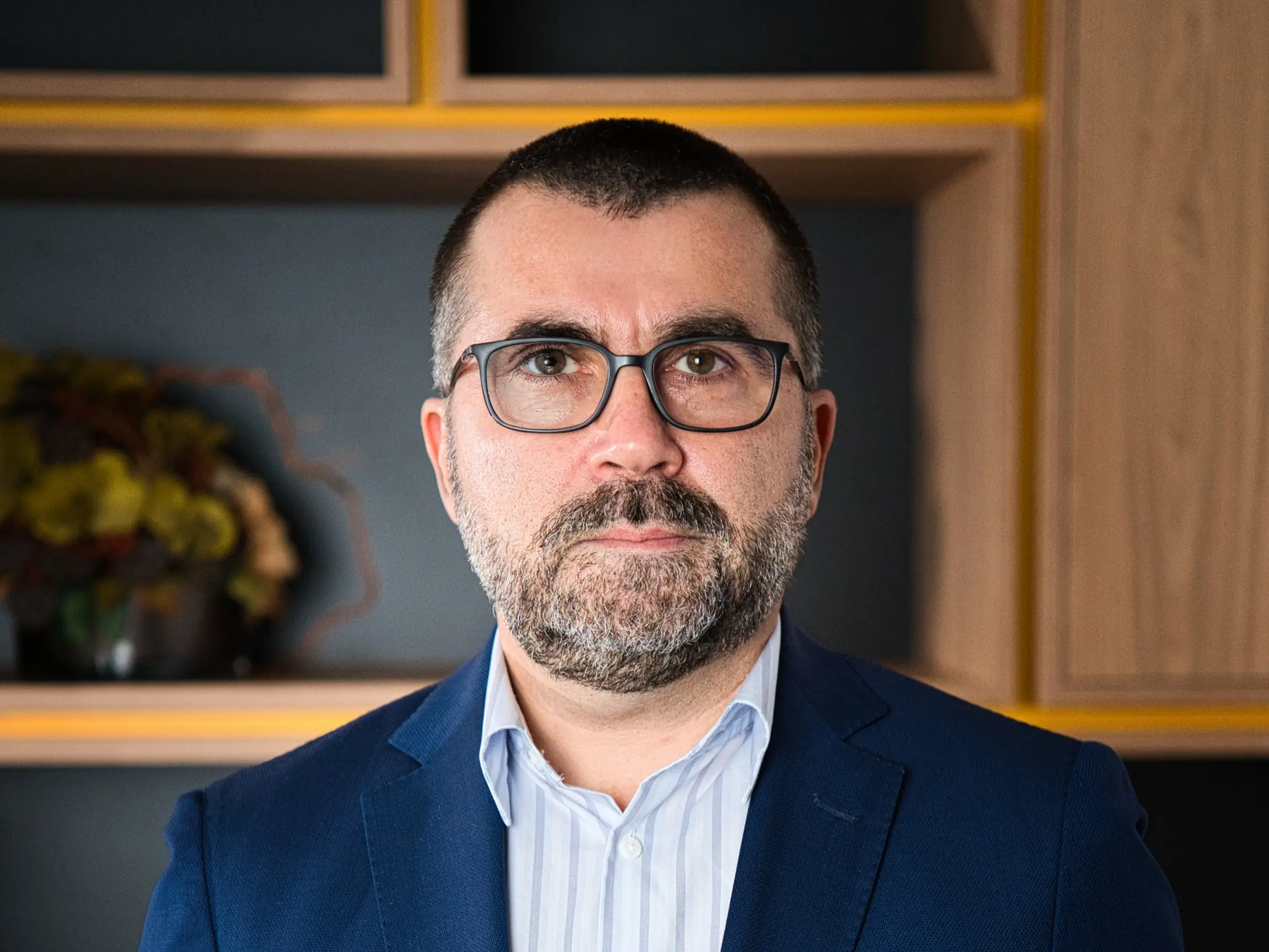
Vlad Pintilie, BT Capital Partners: This year, we brokered transactions worth approximately €2 billion in corporate issues.

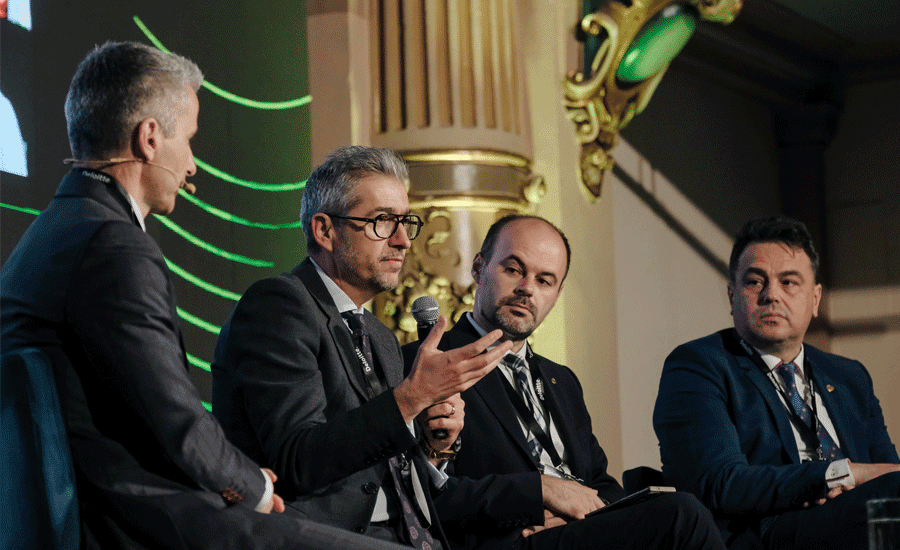
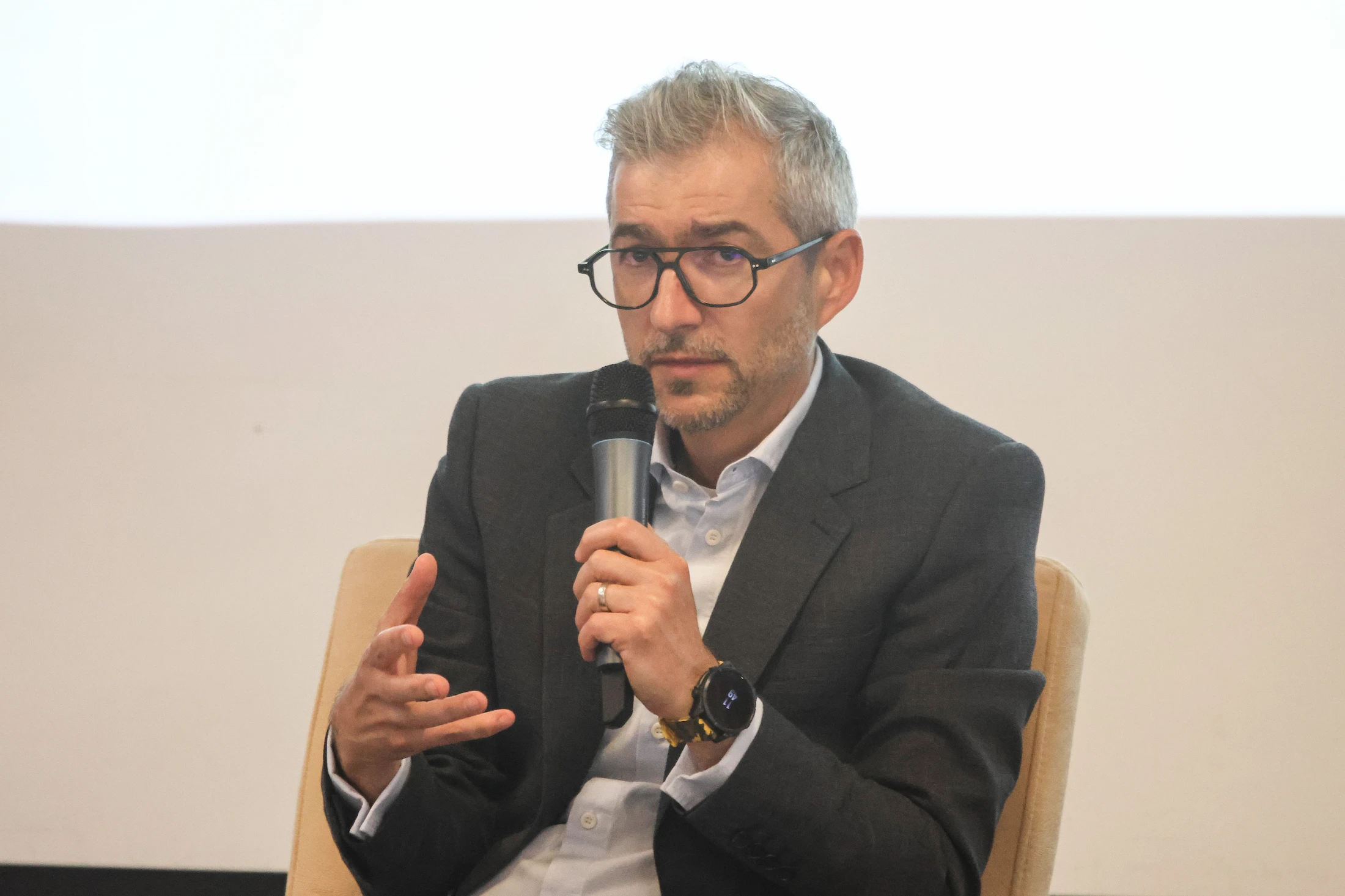
Vlad Pintilie, Deputy General Manager of Trading at BT Capital Partners, participated in the MÎRȘANU DEALMAKERS SUMMIT 2025, where he spoke about recent trends in the capital market and offered an outlook on expectations for 2026:
- This is a trend that emerged two to three years ago, namely the recurrent issuance of bonds, mainly by two segments of issuers—firstly, financial institutions for capitalization requirements under MREL regulations and, on the other hand, state-owned energy companies with projects requiring financing, which have turned to these bond instruments as an alternative to capital increases or bank loans.
- From our point of view, volumes have increased, and this year we were involved in transactions worth approximately €2 billion. This is an increase compared to the previous year and incomparable to previous years, when the corporate bond market was more focused on small listings, especially in the Aero segment.
- Many people may be surprised that billions of euros in bond issues have suddenly begun to appear in Romania in recent years; of course, this would not be possible without a significant contribution from foreign institutional investors, especially since most issues are dedicated to institutional investors. But what this fact shows is that none of these investors would invest their money if they believed that bond prices would fall.
- Most consider it a good long-term investment and most will probably hold it until maturity, although there are also significant volumes on the secondary market. But that's what this confidence is all about. Most likely, when issuers issue again, they will mark lower yields, which will make the first investment all the more profitable and beneficial, in addition to supporting the local capital market and the respective companies.
- Some extremely important aspects are related to this recurrence and trend, which is emerging as a type of exercise that we can expect to see every year. Firstly, issuers are interested in building a yield and maturity curve and, from this point of view, they issue on different maturities, or issue in different currencies in certain situations. The benchmarks are government bonds and comparable companies that issued during the same period, and here we saw that the macroeconomic and political turmoil in the first half of the year had an impact, and we continue to be extremely attractive from the perspective of a region or country that has issuers paying yields above the CEE average.
- And in terms of amounts, of course, they are necessarily linked to development plans when we talk about state-owned and private companies, as well as to regulatory or capitalization requirements.
- One last project I would like to mention is that of Banca Transilvania, through which we have seen a diversification in the type of instruments issued by financial entities, namely Alternative Tier 1 – a new model of fixed-income instrument issued by a Romanian issuer, which has enjoyed great appeal and considerable interest from institutional investors, mainly foreign ones.
What kind of transactions are expected on the local capital market in 2026?
- We continue to see that the market is a very good opportunity for these types of issues, whether they are bonds or equities.
- We expect the state to come up with several projects on the capital market. From the perspective of entrepreneurial or private companies, there are issuers who are considering the Romanian market very carefully, and the main attraction, besides, of course, the capital that exists in the local market and its capacity to absorb such projects, is the need for expansion, alternative financing, and diversification of the liability portfolio.
- From this perspective, we believe that the market will be buoyant next year as well; we want to bring new issuers to the market, which was one of the characteristics of this year, when several new names entered the market, not just this recurring part. We already expect issuers who have been on the market for 1–2 years to continue next year, but it is clear that we are always talking about timing that must be right from all points of view.
- I believe that the period we have gone through in the last six months has been excellent timing from this point of view—the stock market has been very accommodating, and considering that events are happening around us that could create greater volatility or uncertainty in the coming period.
- From this point of view, we are currently experiencing a period in which stock valuations are at historic highs, and yields on fixed-income instruments, although relatively high compared to the region, are comparable to what an investor can reasonably expect as a potential return on a 5–6-year investment. We see these as favorable factors for the investment environment and for issuers' decisions to enter the market during this period.
Bond issues in ESG formats
- From what I have seen, there is a strong trend towards accessing this type of financing compared to classic, traditional bonds, and this has mainly been driven by market demand. There is a small advantage that this type of financing has from the perspective of allocating specific funds to green bonds or types of sustainable financing, besides the fact that it is very difficult to issue a green instrument without being prepared for it, i.e., you must have governance behind it, you must have a more elaborate project, you must have a target.
- It correlates very well with the program structure that we promoted in the advice we gave to our EMTN clients—a longer-term program, not just a single issue.
- Globally, I don't think the focus is necessarily on sustainability anymore. At the same time, it's very difficult to give up once you've started down this path.
- Not necessarily from the perspective of the work that has already been done or the projects, but because you have already put a label on the type of broadcaster you want to be, you have already set goals that you must achieve. With the programs already established in the market, I am convinced that the next issues—most of them—will fall into the same category.