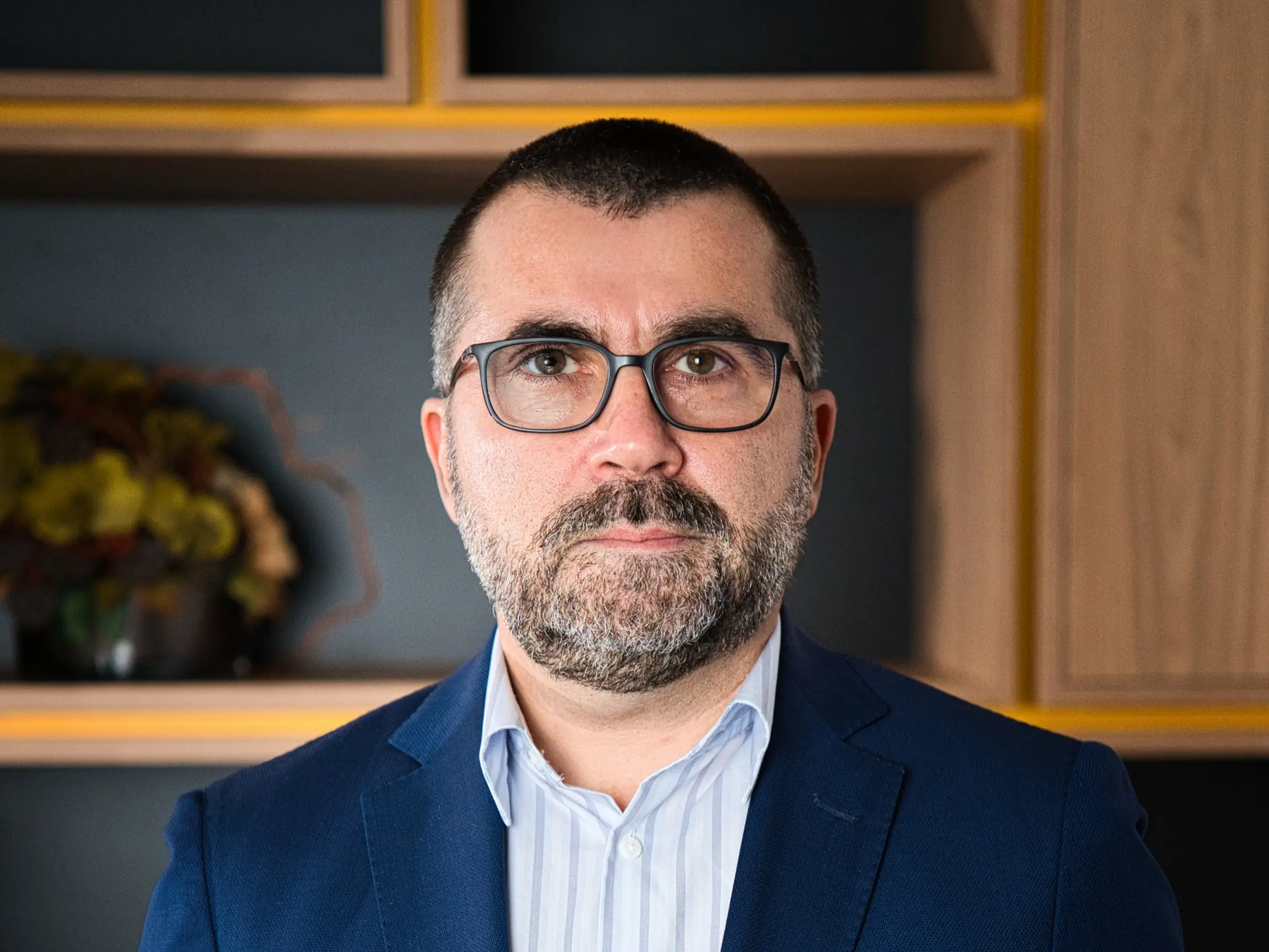
Ömer Tetik, CEO BT: I have an entrepreneurial management style – I encourage initiative, offer autonomy, and leave room for new ideas, while at the same time cultivating trust.
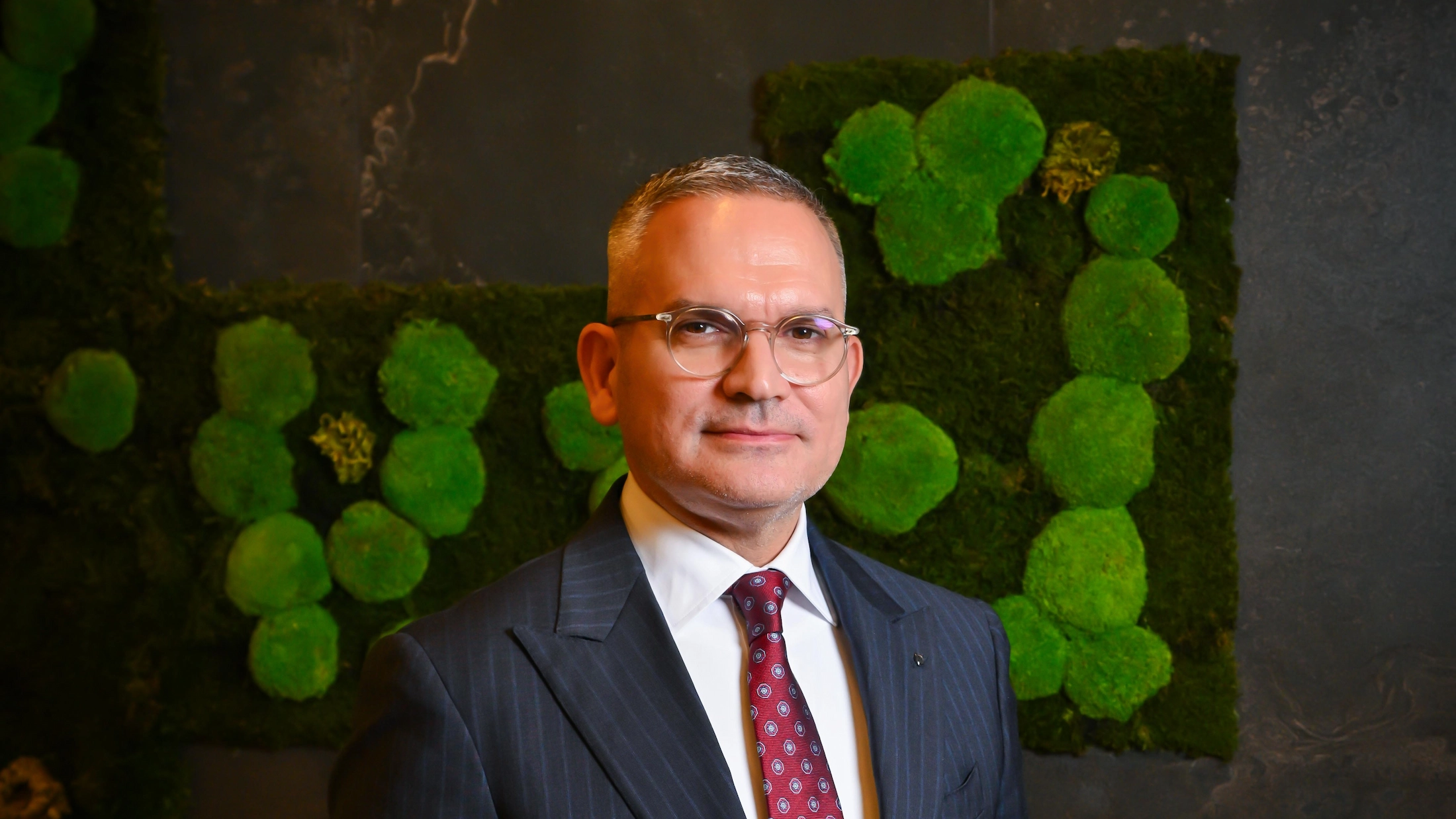
Ömer Tetik, CEO of Banca Transilvania, spoke to Biz Magazine about his experience with Biz CEO Exchange, as well as his leadership style and the decisions that define the role of a leader. The full interview can be read below:
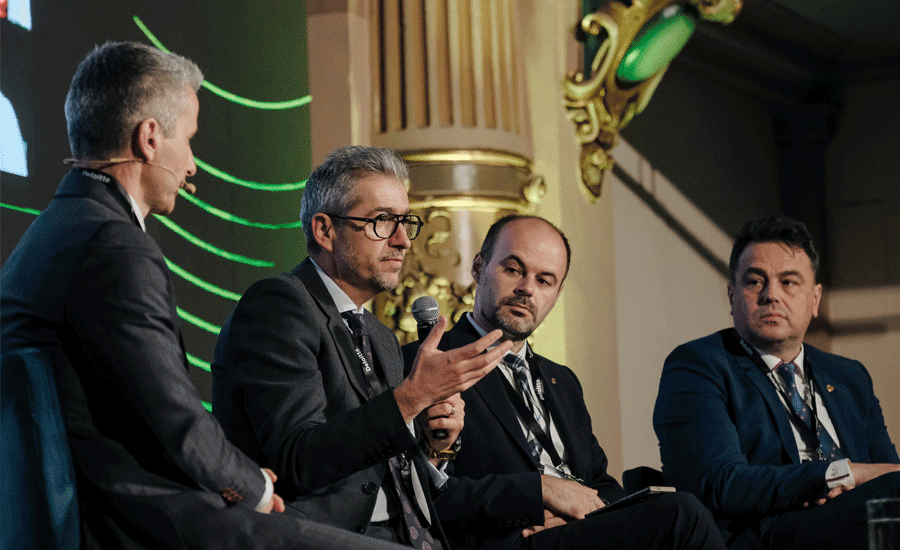
How was the Biz CEO Exchange experience for you? What did you like most, and what did you take away from this role reversal?
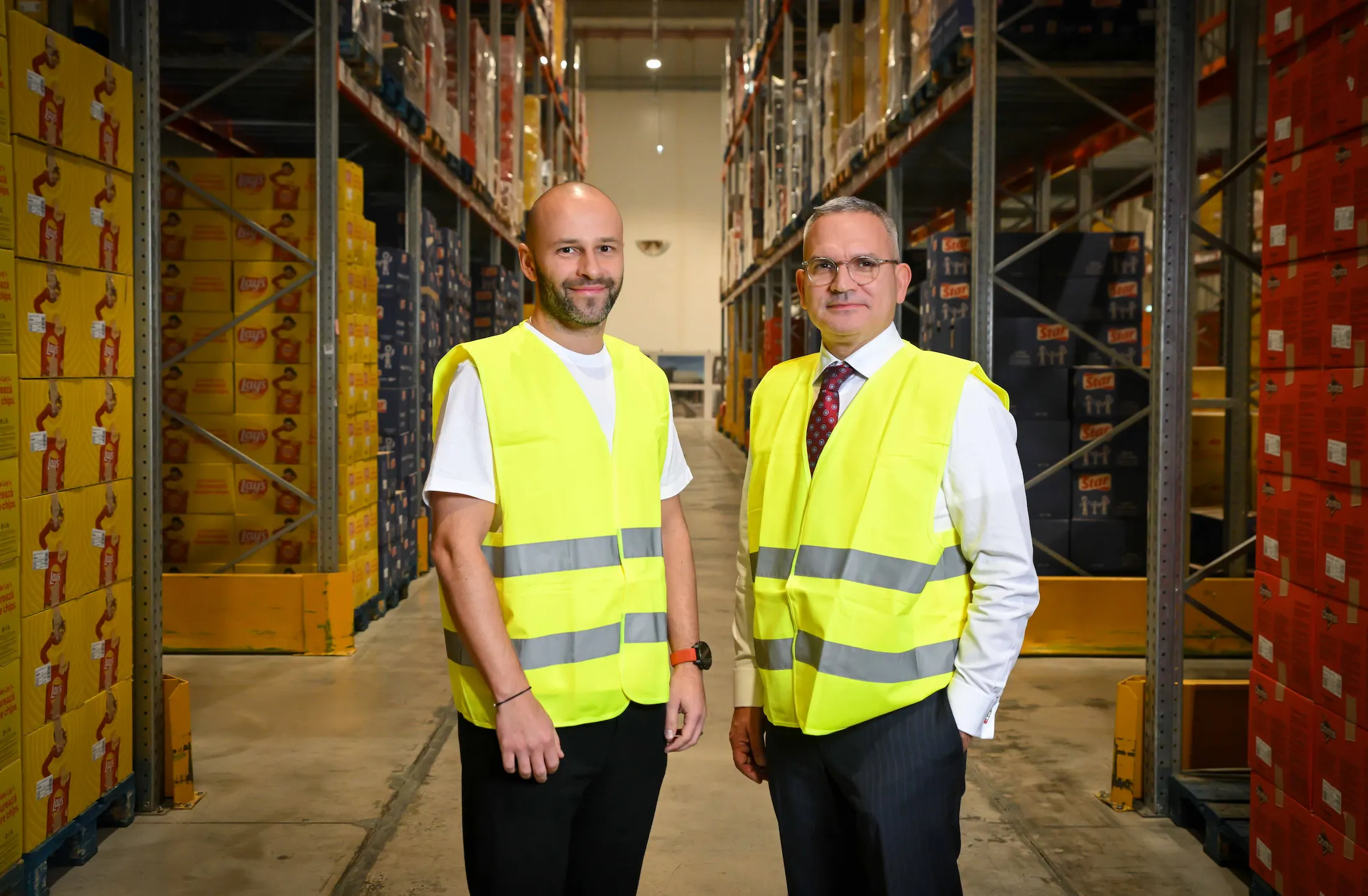
Biz CEO Exchange was a very enjoyable, interesting, and valuable experience that I would repeat anytime. We were fortunate to do an exchange with PepsiCo East Balkans, a model team in every respect. I appreciated how they opened their doors to us so we could understand from the inside the rhythm of an extremely dynamic industry, FMCG.
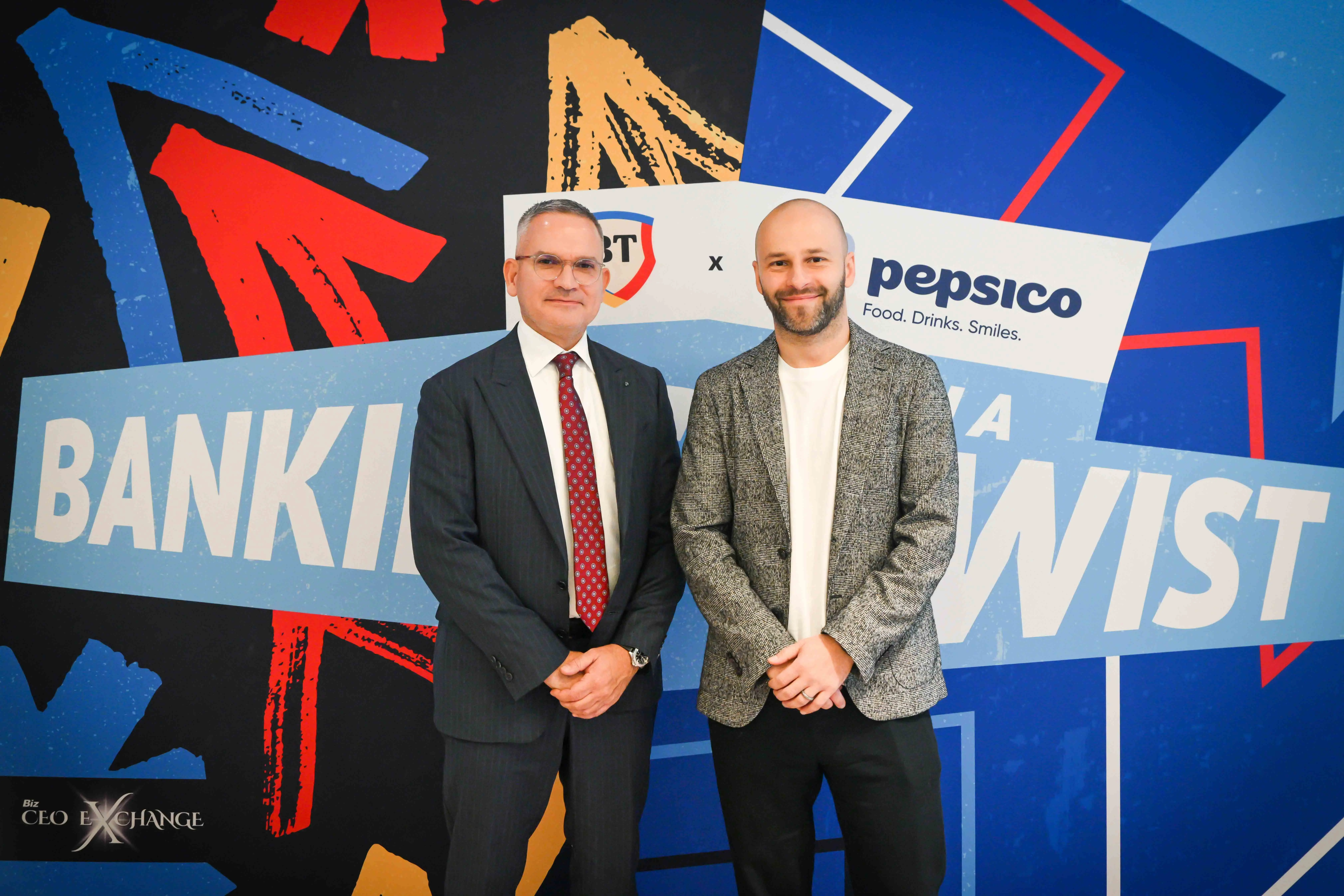
For me, the role swap was more than just a professional exercise. It was a real opportunity to see what decisions, challenges, and operational pressure look like in a sector very different from ours.
Of course, we also discovered common ground: the need for rapid adaptation, the importance of strong teams, and the role of leadership in creating direction and energy. Regardless of the field, people are what make the difference, and when you meet such a well-connected and professional team—like the one coordinated by Radu Berevoescu, whom I greatly appreciate—you leave with new ideas for the diversity of ways in which performance can be achieved.
Once again, I would like to thank the PepsiCo East Balkans team for their hospitality, the BIZ team for their organization and initiative, and the BT team for joining us in this experience.
What is the most difficult decision you have ever had to make as CEO?
The most difficult decisions are always those that involve people. Whether we are talking about reorganizations, changes in direction, abandoning projects, or quick decisions in times of crisis—all of them come with pressure and responsibility. There are no easy decisions, but there are necessary decisions, and it is the responsibility of a CEO to make them with clarity, empathy, and integrity. But also with courage.
I remember that, in the context of the 2008 crisis, many companies reacted by rapidly restructuring. These are decisions I would not make because they affect trust and the sense of stability. I believe it is easier to get through a period of crisis than to repair an organizational culture damaged by hasty decisions.
What never appears in a press release, but defines your organization's culture?
Our press releases are about news, projects, and results. Every three to four days, we have something new to share with journalists; that's pretty much the pace at BT Group. What can't be included in a press release is everything related to human banking: how we get involved, how we react, how we manage challenges, internal humor, solidarity among colleagues.
How would you describe your management style? What leadership style characterizes you?
I am people-oriented, action-oriented, efficiency-oriented, and results-oriented. I like to be close to teams, understand the reality on the ground, and make quick, well-informed decisions. I have an entrepreneurial leadership style—I encourage initiative, offer autonomy, and leave room for new ideas, while at the same time cultivating trust.
The pace is very fast at BT, and in our culture people have energy, courage, and team spirit. My role is to maintain this energy, direct it toward what is necessary, and build together an environment in which people perform and grow.
What do you find most difficult in your role as a leader? When was the last time you felt real fear in business?
As a leader, I have to maintain a balance between speed and caution, between courage and realism, between the pressure of the moment, the present, and the long-term good of the company. I was concerned when it came to external events, which you cannot control and which can affect confidence.
It is important that such situations motivate you, make you more attentive, more responsible, and more grounded in what is happening, even if it is not directly related to banking.
What is non-negotiable for you as a leader, regardless of the economic context or pressure?
I don't compromise on the quality and speed of decisions. As CEO, indecision is the biggest enemy of a business. An imperfect decision, but one made in a timely manner, can be adjusted and corrected, but a delayed decision blocks progress, consumes energy, and erodes trust. For me, a quality decision does not mean perfection, but rather relying on data, experience, intuition, and the right people, putting everything in context.
Who do you consult with when making important decisions for the company? Or can we talk about "the loneliness of the leader" in your case, because you often make decisions and feel that you are on your own?
I rely on the management team when making important decisions. They are people who know the business in detail, each in their own area, which helps us see both the risks and the opportunities. Discussions with them help me see things from different angles and make informed decisions.
For the most important topics, it is essential for me to consult with Mr. Horia Ciorcilă, Chairman of the Board of Directors. His experience and balanced, mature way of seeing things are a form of real mentoring for me, every time.
I believe that a good decision is based on different perspectives. The responsibility remains with me, as CEO, and this means taking ownership, not loneliness. However, in the life of every CEO, there are moments when the final decision is yours to make, which is why "the loneliness of the leader" is not a myth.
What daily habit improves your work?
A very good habit is sports—it gives me the energy I need to keep up with the pace of a CEO.
What matters most in a company in order to achieve good results?
The right strategy, brand strength, stakeholder relations, consistency, adaptability, investment in technology, discipline in execution. And none of this would be possible without the right people, in the right place, at the right time.
How many business events do you attend solely for networking purposes? How many CEOs/peers do you interact with in a year?
I am there where contexts or events help me stay grounded in reality, understand trends in different industries as well as possible, where there are relevant dialogues and where, why not, new partnerships may begin. But I don't actually have a number or a target in this regard.
If you were no longer CEO tomorrow, what would you like people to remember about your leadership style?
I would like people to remember that I led with respect, passion, and responsibility. That I made decisions that led to their growth, both as team members and as part of the bank.
Which leadership books have been useful to you and would you recommend?
I would recommend these books:
- The Ride of a Lifetime, the autobiography of Robert Iger, CEO of Walt Disney
- Poor Charlie’s Almanac about Charlie Munger
- Values – An Economist’s Guide to Everything that Matters – by Mark Carney, current Prime Minister of Canada