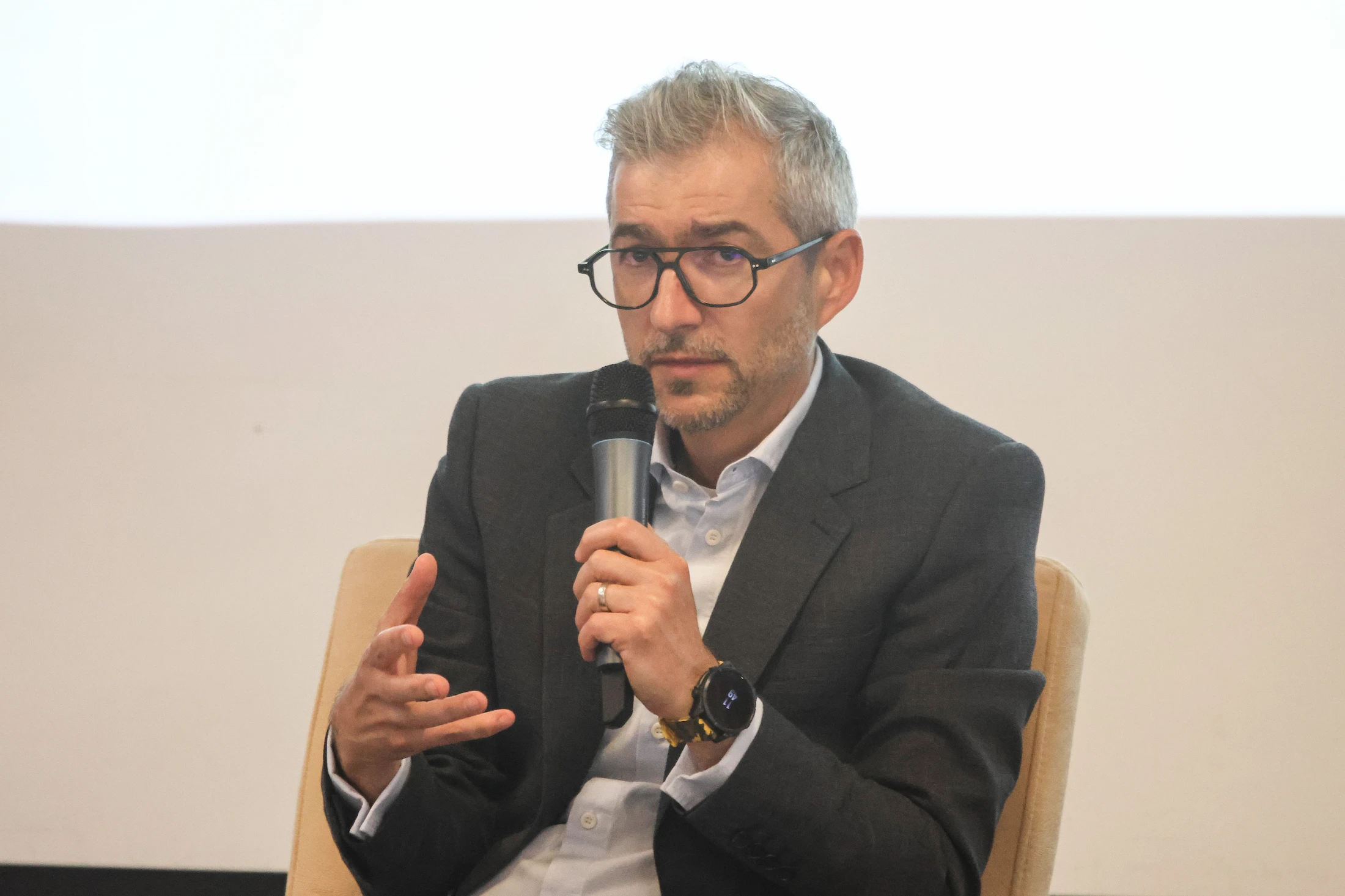
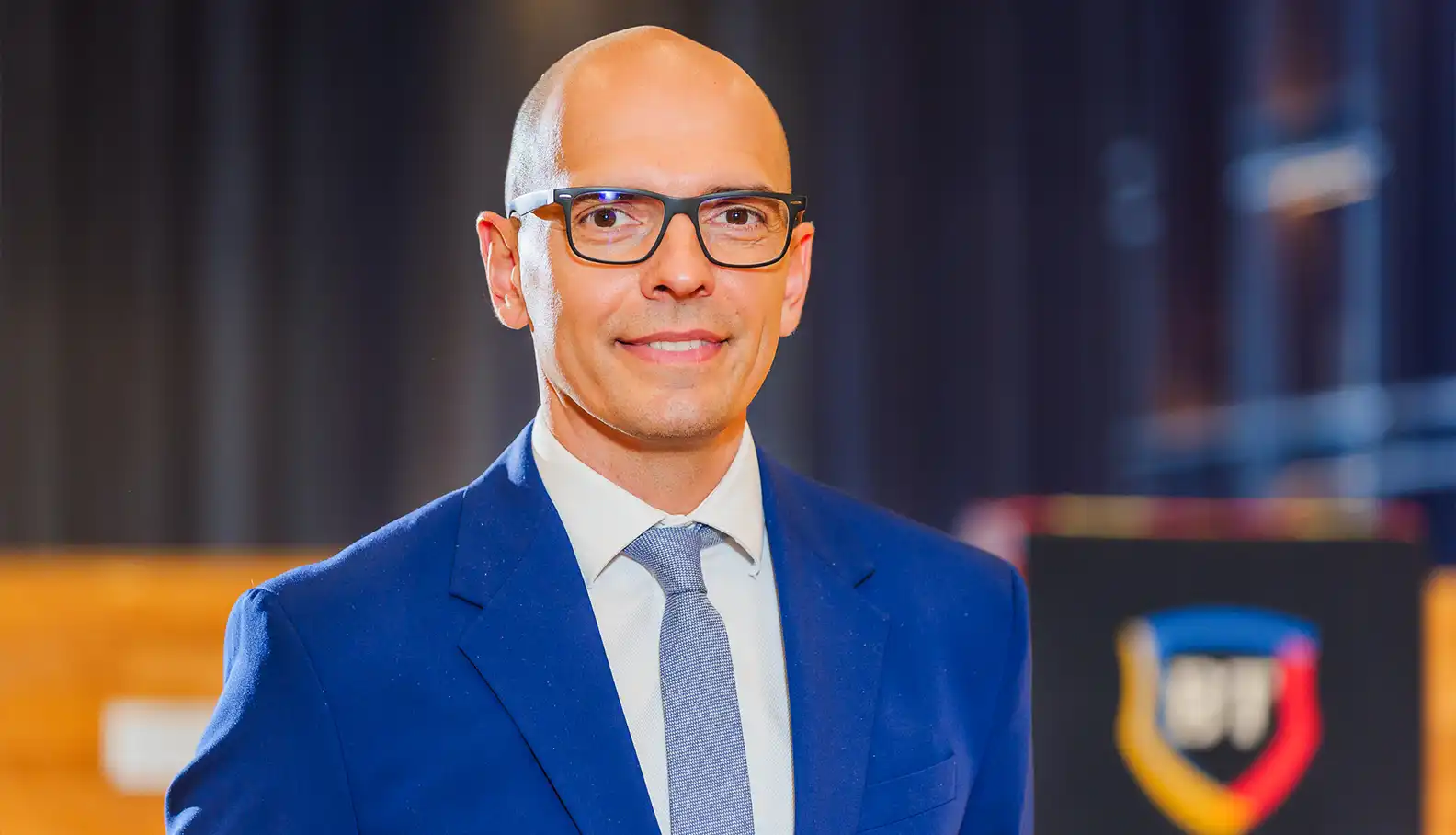
Ömer Tetik, CEO of BT: Romania has outperformed many other economies in the region, whether they are EU members or not
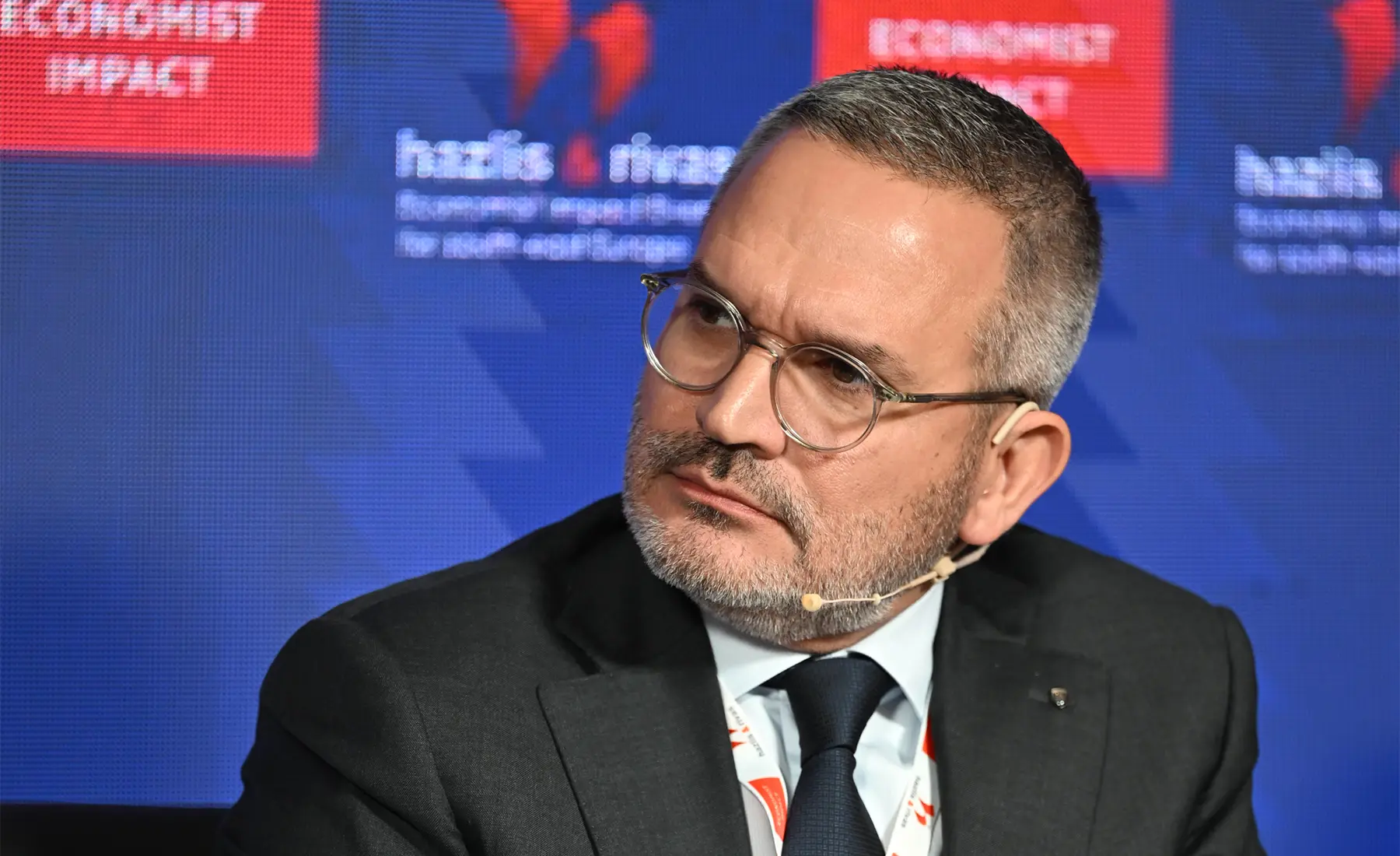
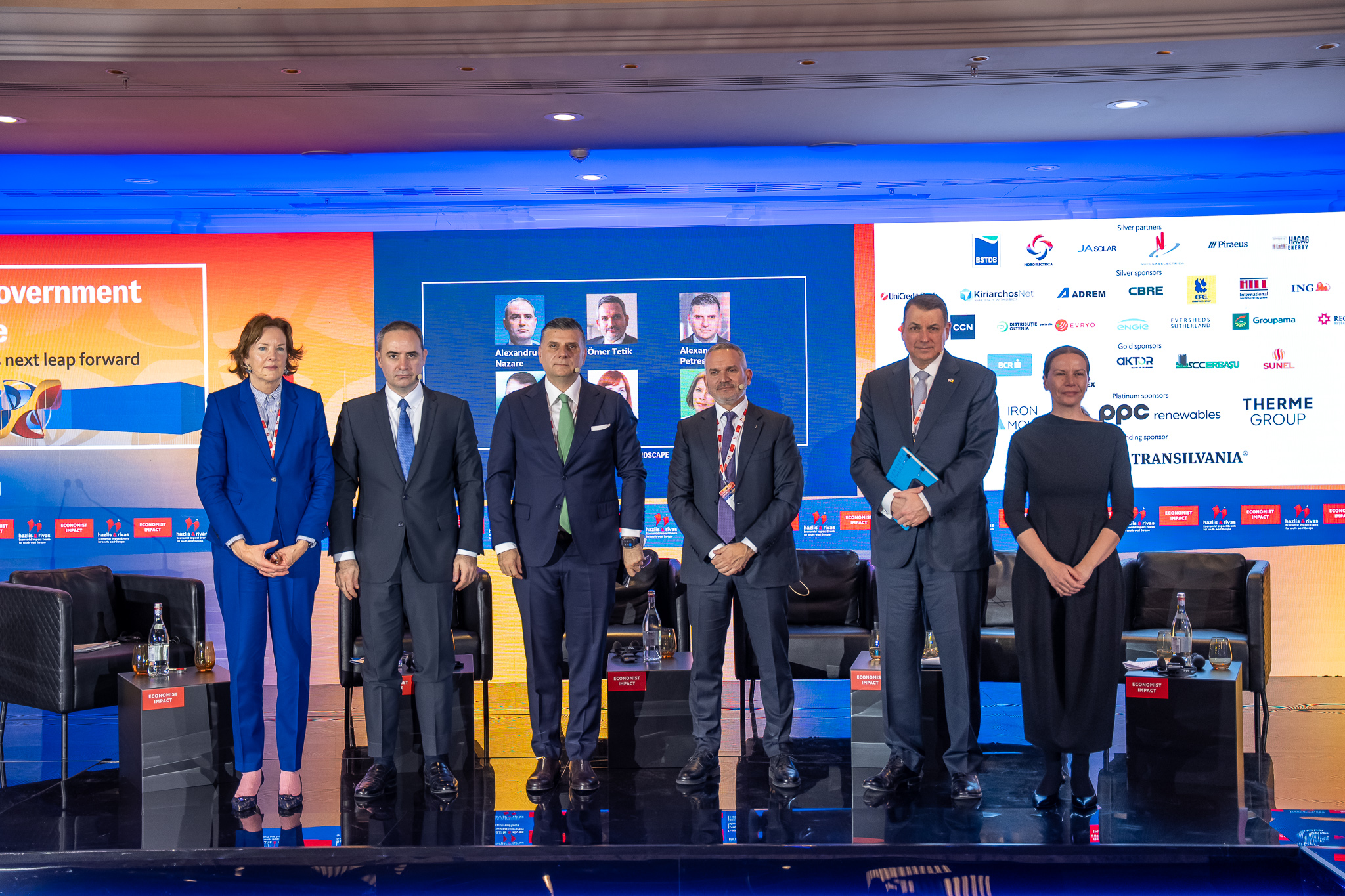
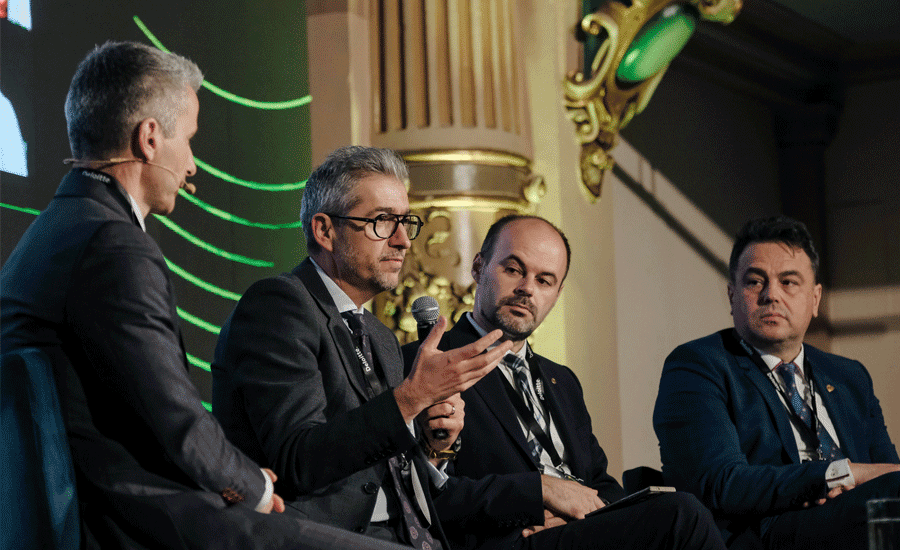
Ömer Tetik, CEO of Banca Transilvania, participated in the Romania Government Roundtable: South-East Europe's Next Leap Forward – Day III, as part of the panel dedicated to the European financial landscape.
The event, organized as part of the Economist Impact series, focused on topics related to the resilience of Romania’s financial sector and the strengthening of national prosperity. We’re summarizing the main ideas here on the BT Blog as well.
I believe we can still talk about new loans, new investments, and new projects. Even amidst all the challenges around us, there is still room to invest. And, although my name doesn’t give it away, I am Romanian, and I admit that lately, I’ve been repeating the same thing almost obsessively:
I'm tired of us complaining about what went wrong and why we haven't succeeded over the last, I don't know, 30 to 35 years. I wish that, in our speeches and in the way we speak publicly, we would focus more on what can go right.
The key question is: what can we do? Because, if we look at it objectively, despite all the difficulties, Romania is on the verge of achieving energy independence. It is a leader in the production of grains and corn, with growth of nearly 30% this year. At the European level, Romania has access to water resources, a rare and extremely valuable asset.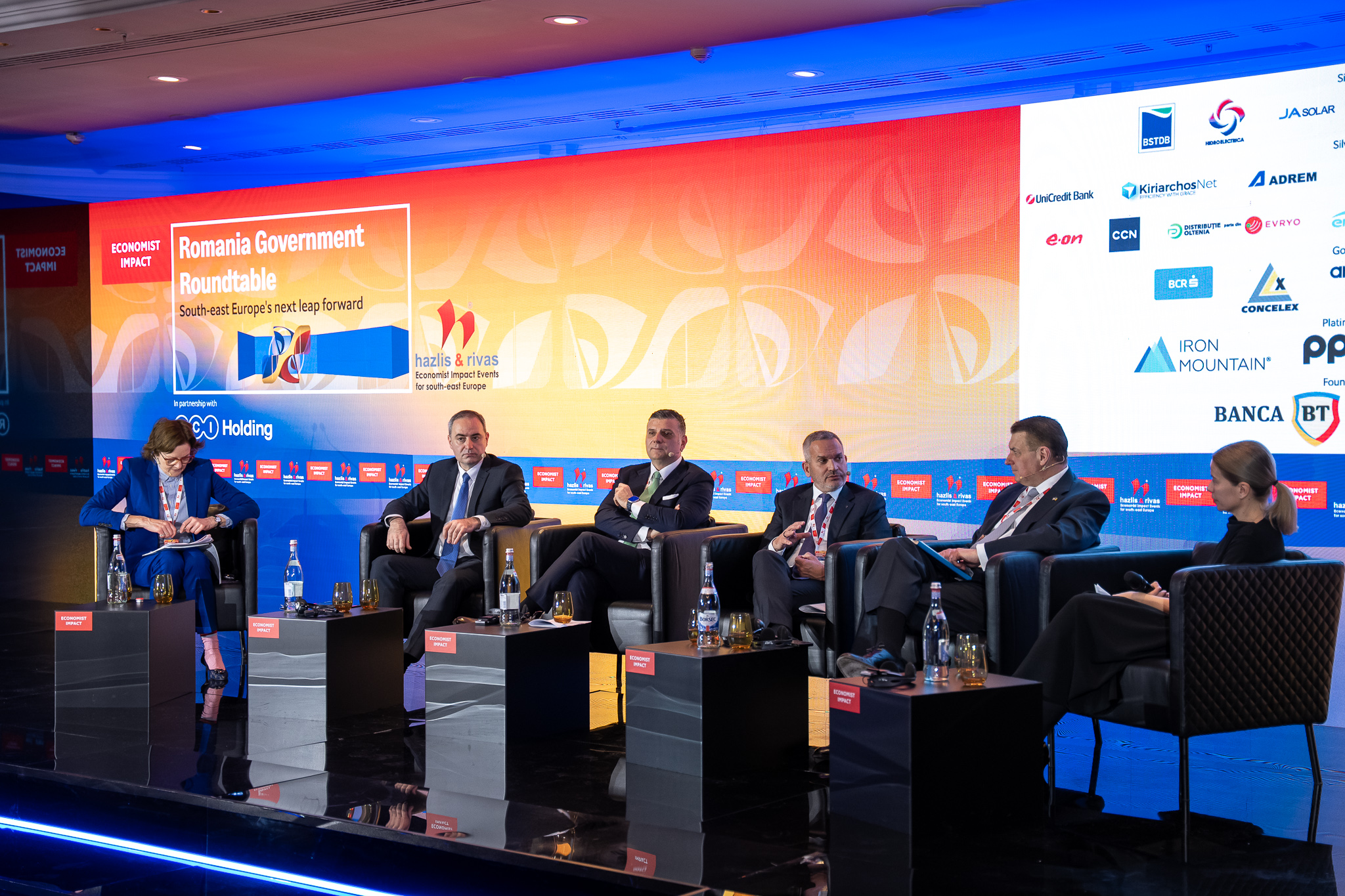
All of these are strategic and geopolitical advantages, especially from a logistical and transportation perspective, once—hopefully as soon as possible—the reconstruction of Ukraine begins. You can’t “skip over” Romania, as if it were a game of Monopoly. You have to go through Romania, to use the resources and companies here. And this should make us change the way we talk to foreign investors.
We complain that they’re coming, that they’re buying up our assets, that they’re investing. Then we say that “the foreigners are leaving.” But in the meantime, Romanian companies and entrepreneurs are also investing abroad. Today we have three Romanian car models ranked among the top 10 best-selling cars in Europe. We have many reasons to be proud—not in the sense of complacency, but in terms of confidence in our own potential and our ability to promote it.
Sometimes we risk being so hard on ourselves that we end up convincing investors to believe the same negative narrative about us. Meanwhile, however, entrepreneurs are investing, and the private sector is growing, even under difficult conditions.
We know full well that there is no magic bullet: budget deficits and high inflation that have built up over decades cannot be resolved overnight. But if you open the newspapers or visit news websites, you’ll notice something interesting: the private sector isn’t necessarily complaining about taxes, but is talking about growth plans and new investments. About medium- and long-term plans. About the future.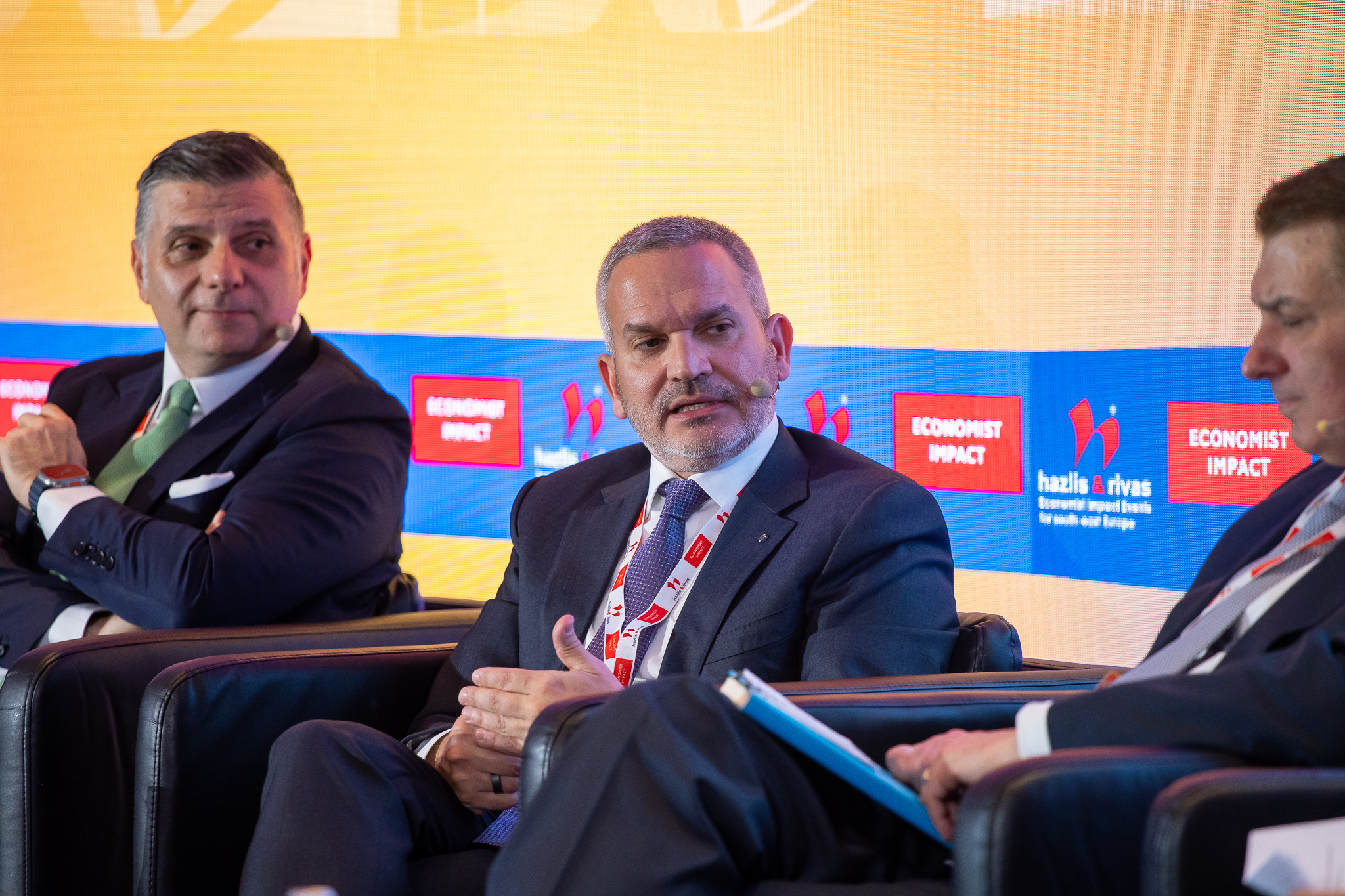
We are seeing clear signs that the government, in cooperation with the private sector, has plans to bring Romania to where it deserves to be. And this is despite all the shocks we have endured: a pandemic, war on our border, an energy crisis—in fact, the second major energy crisis in the last five years.
And yet, Romania has reached nearly 80% of the European average GDP per capita (PPS). Ten to twenty years ago, we couldn’t even have imagined this. Since then, Romania has surpassed many other economies in the region—whether or not they are members of the European Union—in terms of competitiveness.
We are on the verge of becoming OECD members. I don’t want to sound naive. We manage other people’s money and operate in a field based on risk management. Nevertheless, I sincerely believe that Romania has extraordinary potential.
The fact that we are all here today demonstrates a genuine commitment to Romania and a clear desire to identify avenues for growth. From what we know and from our investors—whether local, foreign, or multinational—the message is the same: stability, predictability, and medium- and long-term plans.
I hope that the current structure and framework, as outlined by Minister Alexandru Nazare, will be strengthened and demonstrate that Romania can deliver exactly this: stability and predictability, without losing the security of a developed economy, yet offering extremely high returns typical of an emerging market.