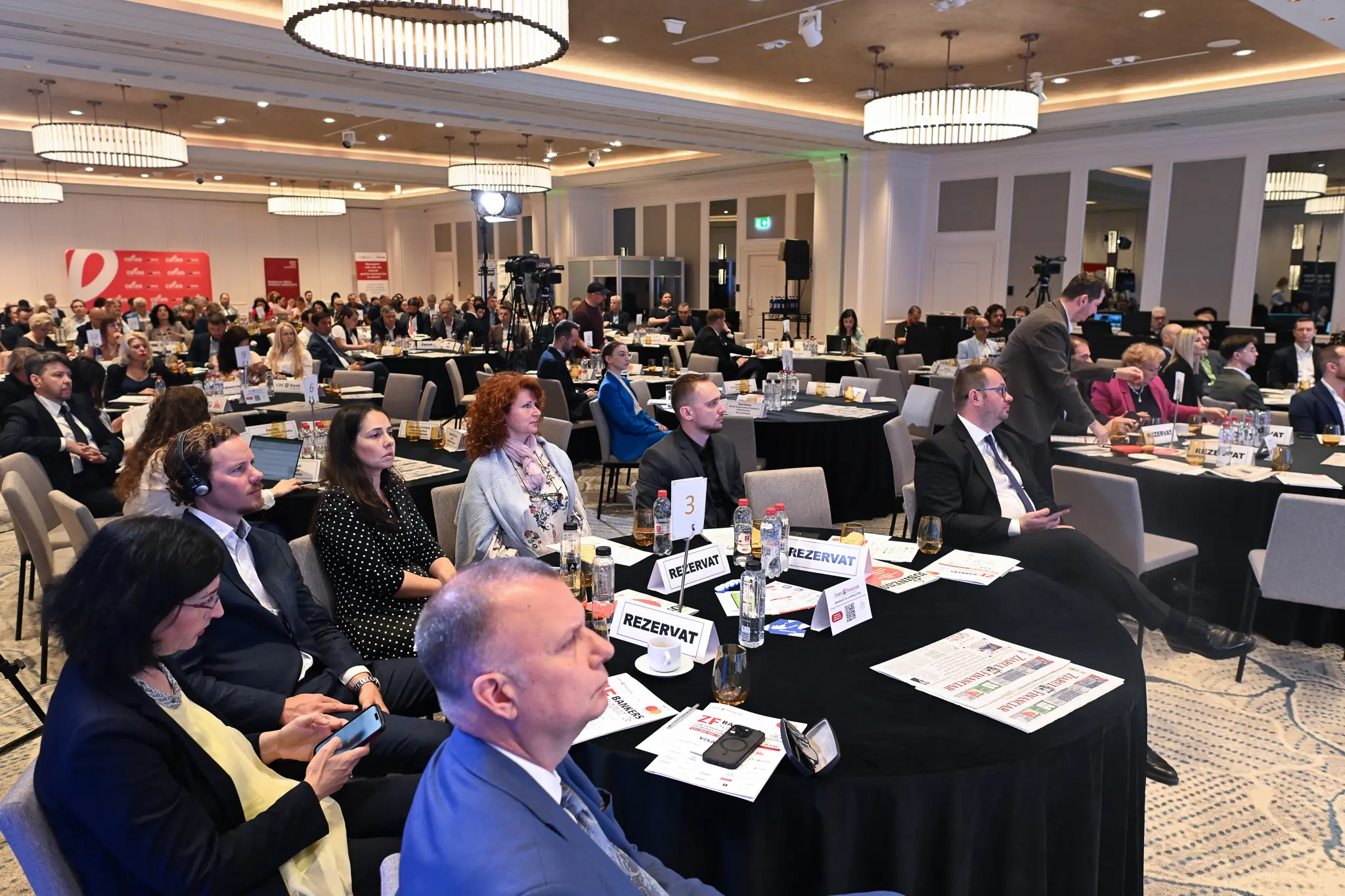
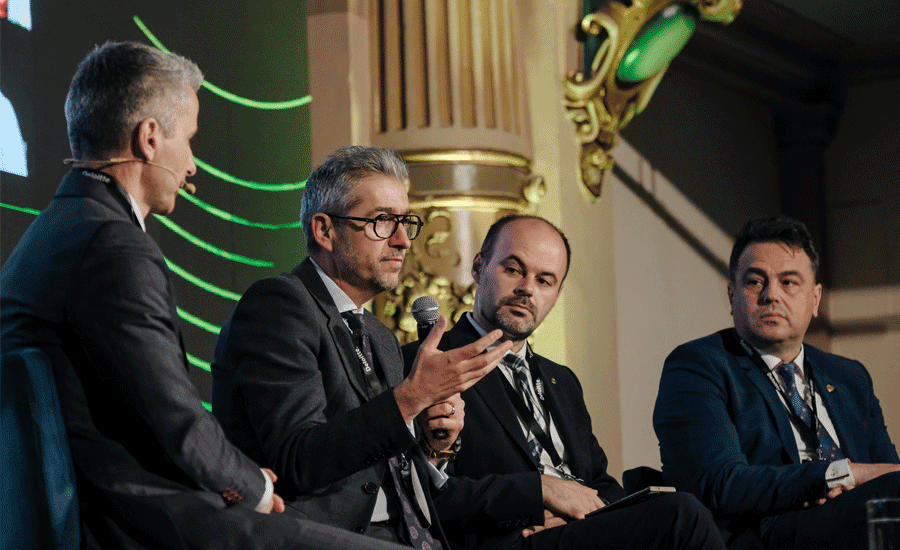
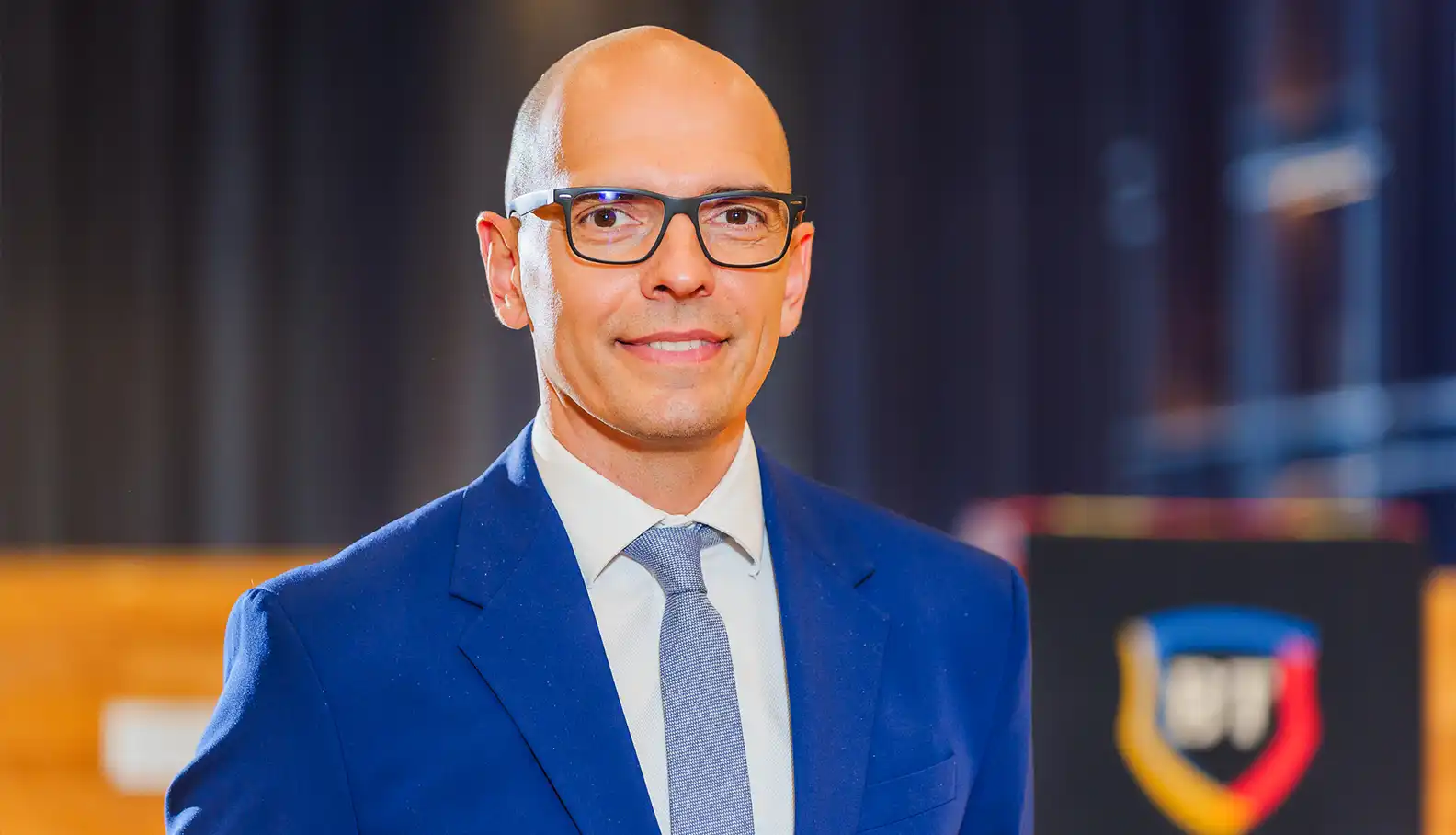
Statements by representatives of Banca Transilvania at the ZF Bankers Summit 2026 – Day #1
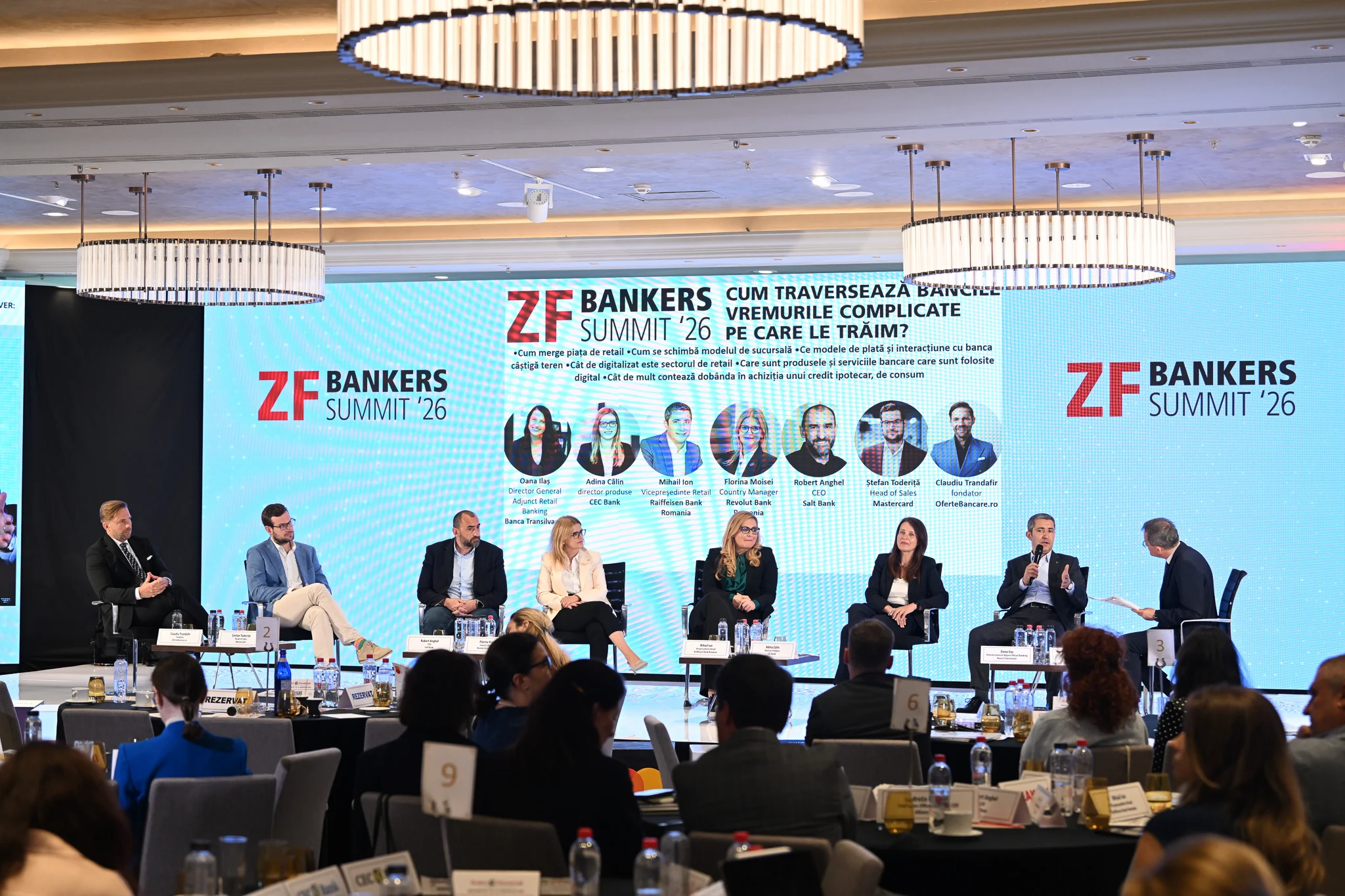
At the ZF Bankers Summit 2026, organized by Ziarul Financiar on June 2–4, Banca Transilvania was represented on the first day by Ömer Tetik, CEO; Cosmin Călin, Deputy General Manager for Large Corporate; Aurel Bernat, Executive Director for Financial Institutions and Investor Relations; Oana Ilaș, Deputy General Manager for Retail Banking; and Cătălin Caragea, Deputy General Manager for Risk.
The statements from the second day of the event can be found here.
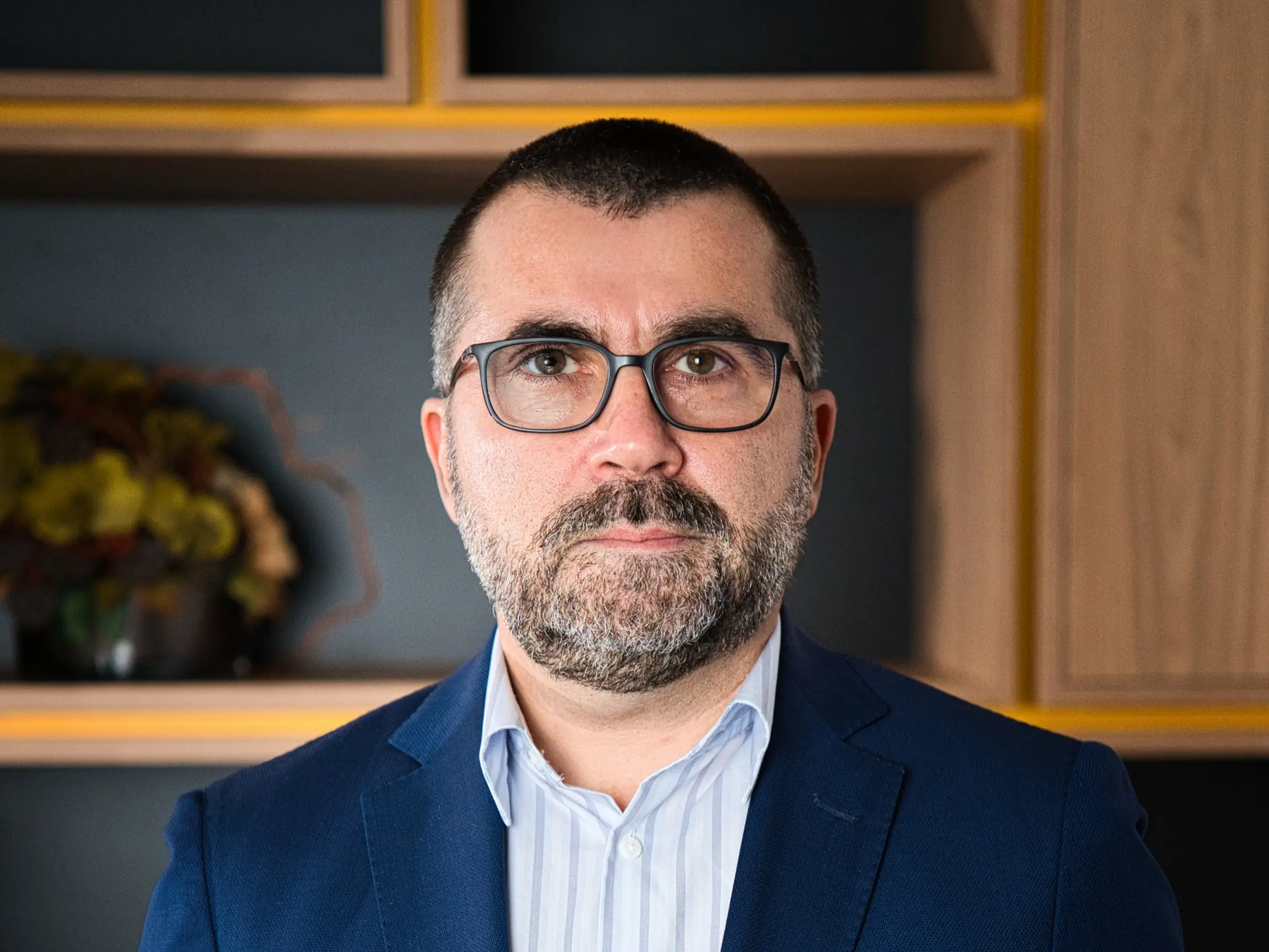
Ömer Tetik, CEO of Banca Transilvania:
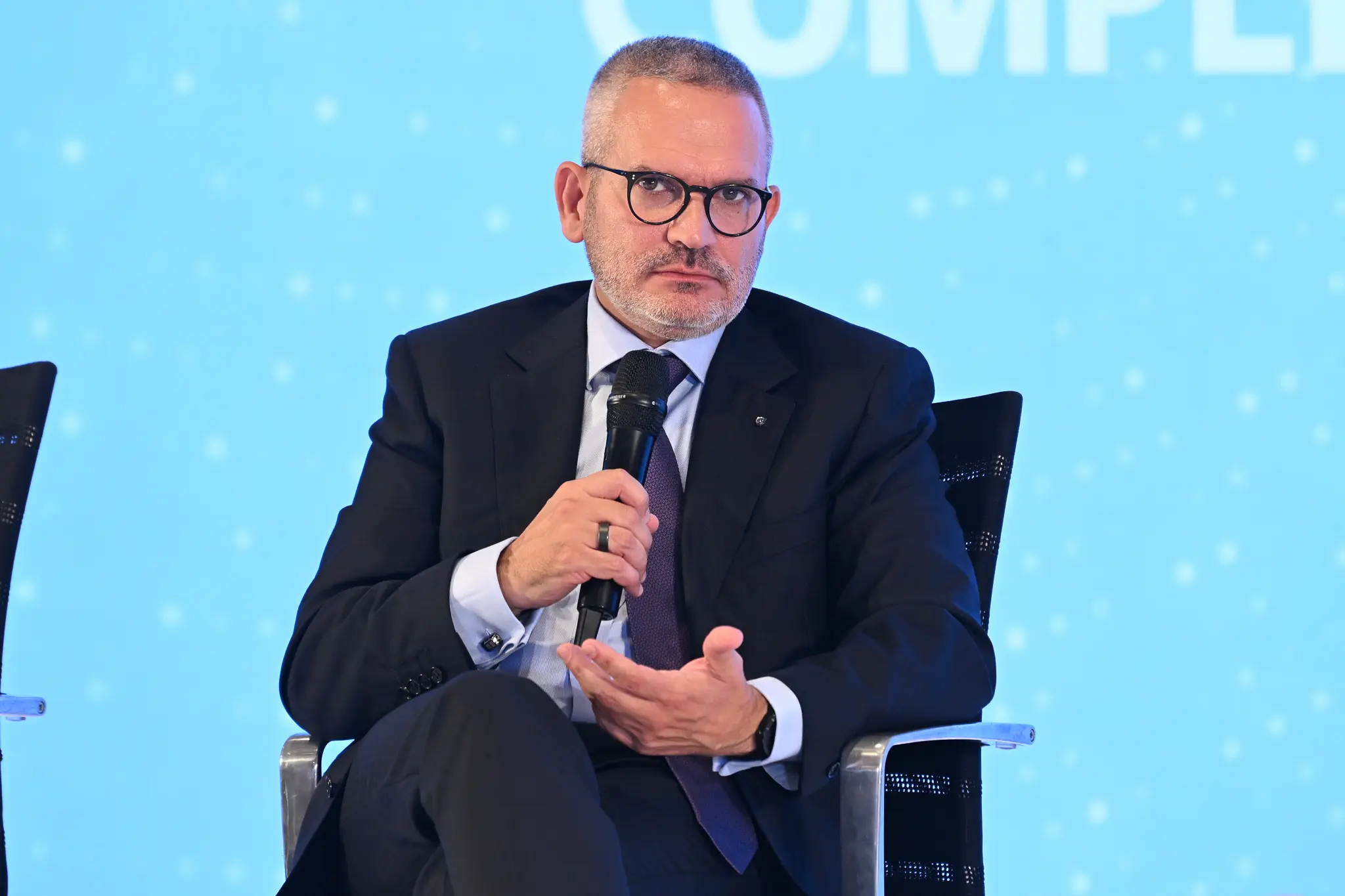
- The banking system is very stable in terms of capitalization and liquidity; both Banca Transilvania and the banking system as a whole are in excellent shape.
- Our focus remains on Romania because, since we are still behind and there is potential for lending and growth, we do not want to lose sight of this. If we look at four five-year cycles, we see that Banca Transilvania has doubled its assets every five years. This is also our target, at least for the coming period. If we double the bank’s assets over the next five years, we’ll simply be following the trend—in other words, it’s not a very ambitious goal. This is our objective and our vision.
- We’re also looking abroad, not necessarily because we can make a difference in countries like France or Germany, where the banking systems are very strong. In several countries neighboring Romania, we want to open either representative offices or branches.
- We finalized the 2026 budget in November and have not made any changes, despite external and internal developments, including the geopolitical situation in the Middle East and the domestic political landscape. We remain committed to delivering nearly 10% growth in lending.
- Over the past 10 to 20 years, we have grown through consumption, and now Romania is changing and shifting toward an economy based on production, industrialization, and infrastructure investment. Demand among small businesses and in retail is more subdued, but that doesn’t mean it has disappeared. Growth continues: in the first quarter, we opened over 130,000 accounts at BT. Payments via BT Pay are very popular and visible in the local market.
- We are seeing a higher rate of growth and demand for credit in the renewable energy, energy storage, and battery sectors, where investments are significant, as well as in infrastructure—from hospitals to roads. In two or three years, we will be surprised by how quickly we can reach Sibiu, Iași, and other cities. Currently, we mainly feel the inconvenience of roadwork when traveling between cities. Even agriculture, through investments in irrigation and machinery, has enormous potential. Romania can become a major food supplier for Europe.
- The digitization of the economy is an end-to-end process; we cannot simply digitize the banking sector—digitization is also needed at the level of central government and among small and large companies. Ten years ago, we announced that we had reached 1 million card transactions on Black Friday. On Black Friday in 2025, we recorded 11 million transactions. The pace of adoption is rapid, even in rural areas.
- Regarding the Competition Council’s investigation: The baseline scenario is that there will be litigation and discussions over the next four to five years, should fines be imposed. It is not about the amounts or their impact; our goal is to demonstrate that there was no cartel or collusion and that the evolution of ROBOR was driven by market factors—international markets, inflation, and the reference rate. It is common sense for everyone to continue lending and developing the economy rather than wasting time on misconceptions.
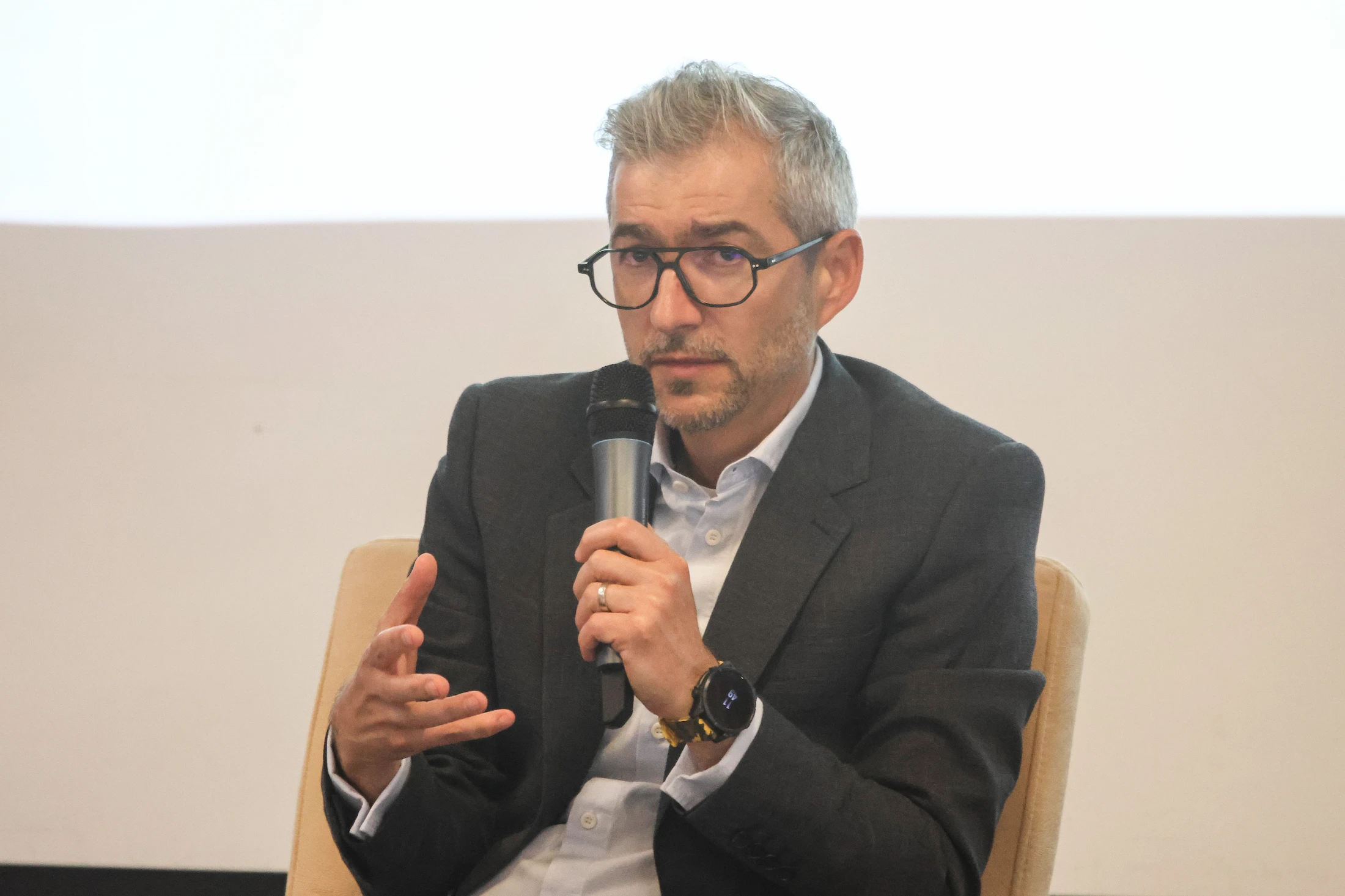
Cosmin Călin, Deputy General Manager, Large Corporate, Structured Finance, and Factoring:
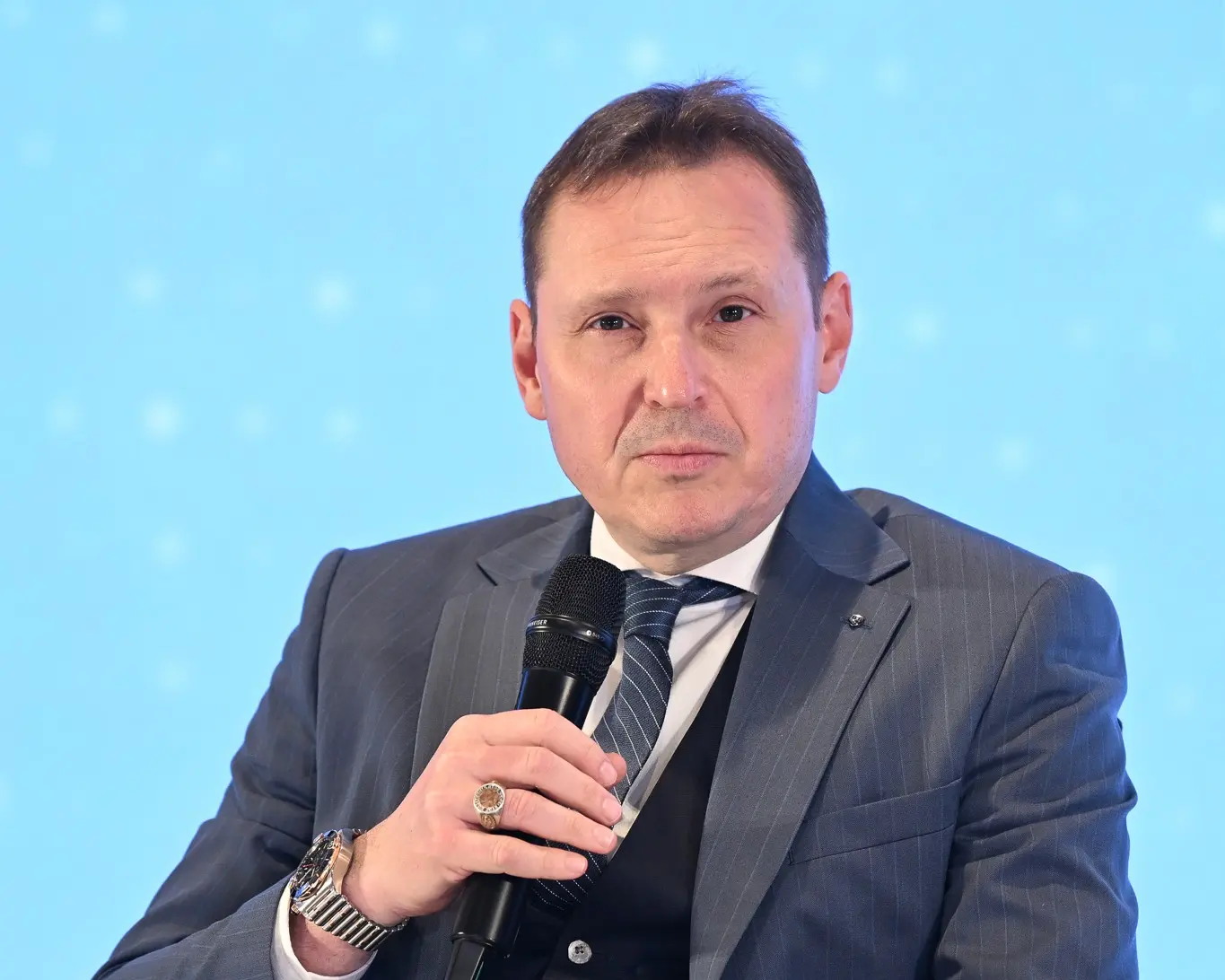
- The effects are being felt, and the bills from the past five years are coming due. At the same time, 2026 brought its own share of turbulence. Just when you think nothing else can happen, unexpected events arise. No one expected the Gulf crisis. However, we learned what such a crisis entails and, at the same time, witnessed the resilience of the Romanian economy.
- Following a very successful 2025 for us, in 2026 we continued the process of consolidating the organization and capitalizing on all the synergies resulting from both the integration of OTP Bank Romania and our organic growth.
- We are looking forward to the second half of the year with optimism. We are seeing an improvement in the lending market, and it seems as though there is a light at the end of the tunnel. Opportunities exist, and at the same time, we hope that this period of uncertainty will subside in the near future.
- There are local opportunities in almost every field, ranging from IT&C—where we are already a regional and even global force—to the latest trends driven by programs such as SAFE, from drone and anti-drone system manufacturers to the most sophisticated technological solutions. We’re talking about a very broad spectrum, ranging from straightforwardprojects tothe most advanced and innovative ideas.
- In general, we see tremendous potential in the M&A sector, without singling out any specific industry. We are quite strong in this area and have the capacity to provide solutions at both the local and regional levels. There are significant opportunities in most sectors of the economy.
- Every M&A transaction comes with a growth component. Any such transaction provides a platform for future financing and business development. Over the past six years, we have significantly expanded this line of business. We started with smaller transactions and have moved on to medium- and large-scale deals. Currently, our non-performing loan (NPL) ratio is below 1%, which shows that our M&A activity has been properly managed and offers real opportunities for growth.
- Retail remains an extremely important sector in Romania, with prospects for market growth and consolidation. We have also seen both local and regional consolidation in the healthcare sector. In conclusion, the mix of opportunities is split between local organic growth and regional expansion, supported by transactions and consolidation processes.
Aurel Bernat, Executive Director of Financial Institutions and Investor Relations:
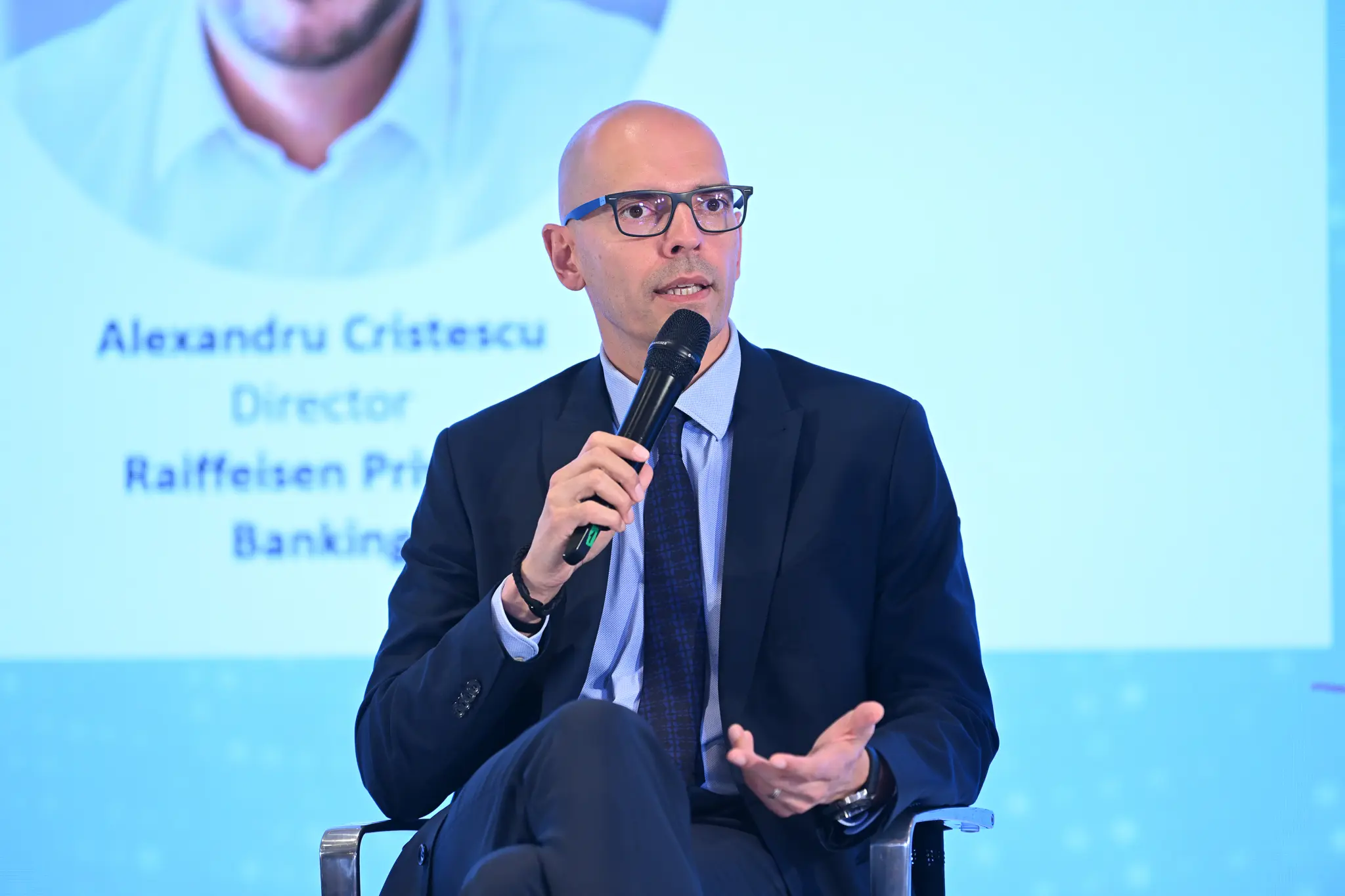
- We are seeing portfolios and ETFs start to gain traction. If we look at the valuation of the local market from a regional perspective, we are lagging behind our neighbors. Bulgaria is performing better than we are.
- The current environment is one of inflation, in which investors are closely scrutinizing their investment opportunities and alternatives. On the other hand, the impact of investment funds and pension plans remains fairly limited as a percentage of GDP. It is only recently that we have seen real momentum toward investment.
- We’re looking at a situation where we’re exploring alternatives; the returns are attractive, but this shouldn’t be the end of the road—rather, it should give us confidence, considering that we’ve reached 500,000 clients in our investment funds. It seems to me that we’re only now really starting to talk about these things.
- If we look at Romania as it is, we see two major listed industries driving significant growth: banking and energy. These sectors are on the rise, and the market is on the rise as well. Investors view Romania with respect, and if the political issues are resolved in a timely manner, then our potential should be reflected in higher valuations.
- Although we all agree that past performance is no guarantee of future results, it is highly relevant to the local market and encourages investors to invest. However, there is also the issue of inflation, which many investors perceive as a pressing concern. In this context, a simple form of protection is to focus on instruments with higher potential.
- We can invest in real estate, but immediate liquidity and the local market, as it stands, still offer retail investors the opportunity to quickly liquidate their portfolios. Romania remains a country where dividend yields are still high, at around 7–8%, which is attractive, especially in the context of the fight against inflation.
- From what we can see, the deposit base continues to grow, which means that people remain drawn to passive investment options. At the same time, we are seeing double-digit growth in onboarding.
- It’s easy for us to say that this money comes from others, from our competitors. Looking at the economy as a whole, there is a 3- to 5% increase in alternative assets, and this should also lead to an increase in the deposit base. The amount flowing into funds is relatively small—we’re talking about 5–6 billion lei per year—which isn’t a figure that significantly impacts the total deposit stock. The fact that we’re now starting to see a pickup, a normalization, gives us the impression that a lot of money is accumulating.
- My concern is that we’re worrying too much about the stock market. Imagine we have a war right next door, another one a bit further away, geopolitical instability, and inflation. I wonder what will happen once everything settles down. What we’re seeing is that negative events no longer even affect the price of oil. I believe we’re on a positive trend, and this trend needs to be ridden from an investment perspective. We have a horse that pulls well.
Oana Ilaș, Deputy General Manager of Retail Banking:
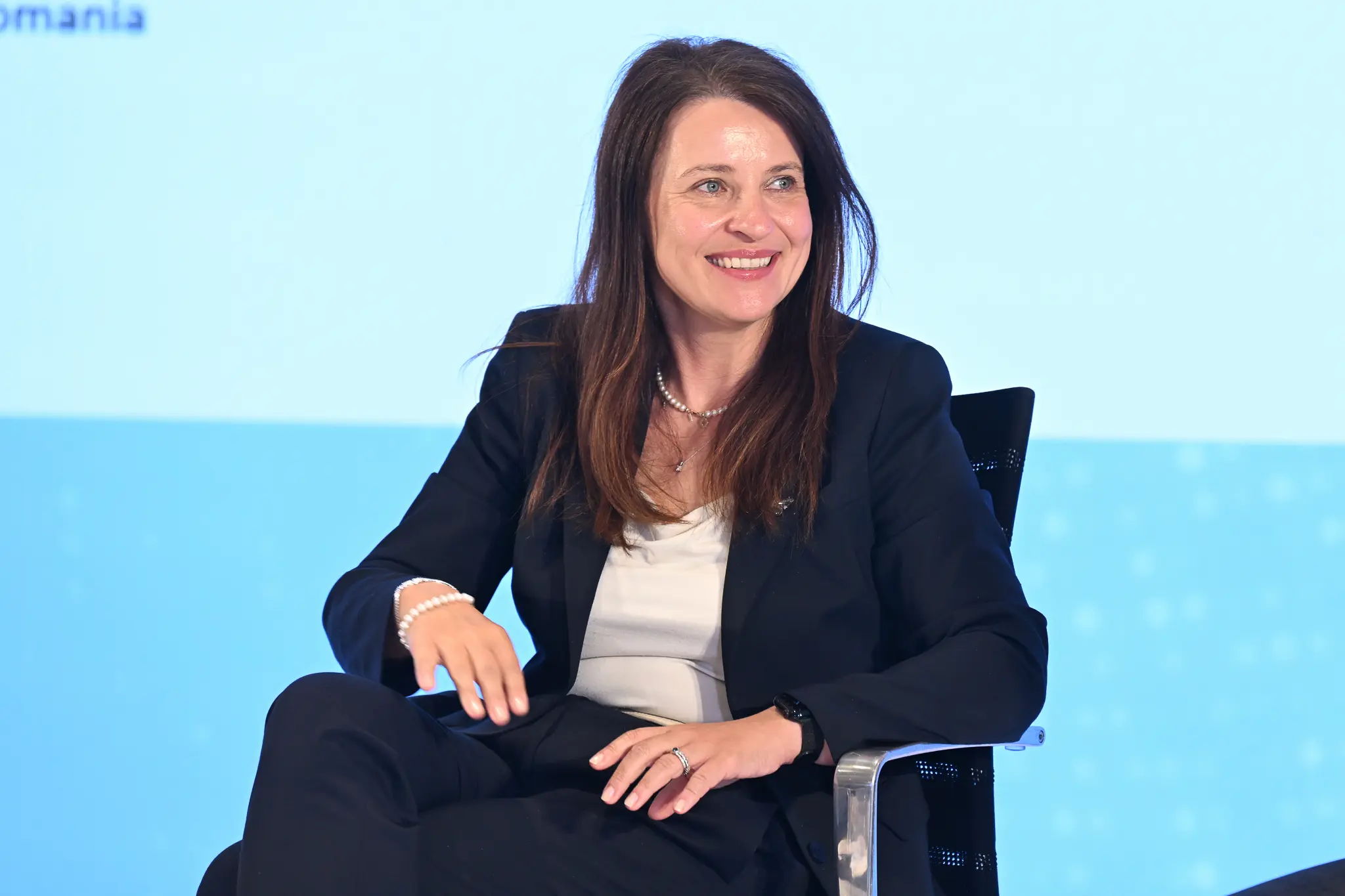
- We’re no longer just talking about banking products per se, but about addressing people’s needs in the context they’ve come from—whether it’s bancassurance, eSIMs, travel insurance, an easy way to pay bills, or connecting small groups—parents, children, friends—with one another. I believe the retail landscape has changed significantly, and there are many opportunities emerging.
- Retail banking still has the potential to attract new customers, and this is where the conscious decision we made to remain a universal bank—even though it wasn’t always the easiest option—makes a huge difference. This means working with all customer segments and meeting a wide range of needs, including in the area of cash operations. For us, however, this diversity represents a great opportunity. We have approximately 5 million retail customers and continue to grow month by month.
- I believe that the level of financial inclusion in Romania is still below its potential, which means there are still significant opportunities for growth, including through the integration of Romanians living abroad. We can attract new customers to the extent that the ecosystem we are building effectively meets their needs and offers them relevant, user-friendly services. For this reason, one of our priorities has been to continuously develop and improve this ecosystem.
- Demand for loans remained strong in the first half of 2026, with a higher appetite for consumer loans. I believe this behavior also reflects Romanians’ desire to maintain a certain lifestyle, even in a context where purchasing power is under pressure. A foreign economist recently noted that Romanians continue to rely on credit cards or consumer loans to offset the decline in real wages. At the same time, the mortgage segment has also continued to perform well.
- Loans play a very important role in retail banking, but the reality is that, out of approximately 5 million customers, only 1.2 to 1.3 million have a loan product—regardless of the type—or even multiple types of loans. That is why I strongly believe that the fundamental relationship with the customer must be built, first and foremost, on experience. That is where trust begins, and that is where a functional, relevant, and sustainable relationship is built, day by day.
Cătălin Caragea, Deputy General Manager for Risk:
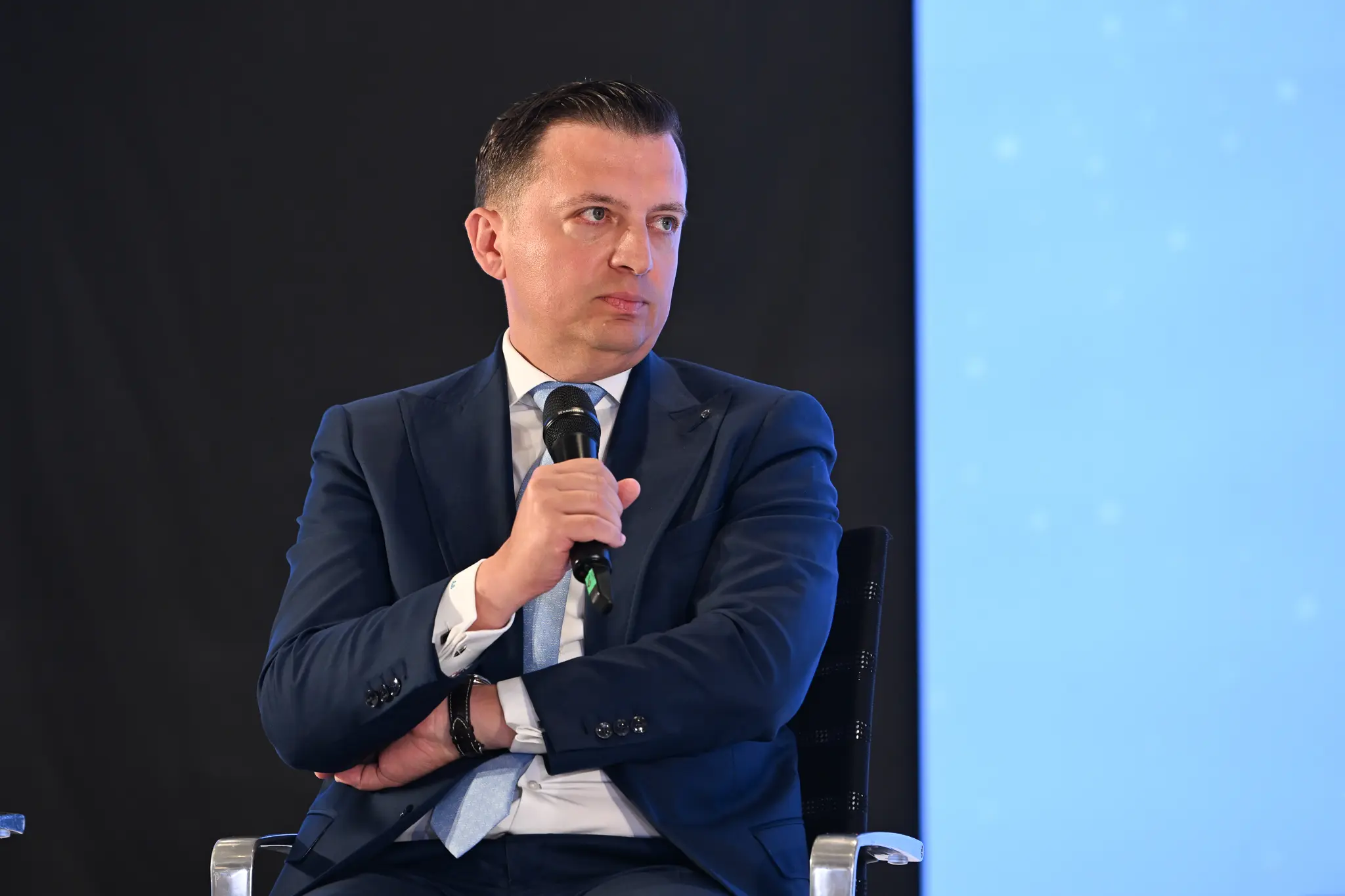
- These days, when we talk about risks, there is one common factor: politics. And here I am not referring to the political class, but to political risk as a whole. In this context, we can identify two categories: on the one hand, geopolitical risk, which we cannot control, and on the other hand, the domestic component—which concerns the political class, governance, and institutions.
- Political risk is more of a trigger event than a risk in the traditional sense, and it affects several categories of risk, particularly credit risk.
- The cost of financing can be immediately affected by a credit rating downgrade, which poses a significant risk. When the cost of financing rises, this is reflected in higher prices—not just in the cost of borrowing, but across the board.
- There isn’t a single sector we say we won’t finance, except for those involving reputational risk. If I were to mention the sectors we scrutinize a bit more closely, they’re the usual suspects. Construction is a sector that requires greater attention, but in a developing economy, you can’t grow without construction.
- The difference compared to 10 years ago is that the civil engineeringsector hasdiversified. Whereas 10 years ago we focused primarily on road infrastructure, we now also look at railways, hospitals, the energy sector, and agriculture. In construction, it’s important how you finance and what you finance. You don’t start financing speculative projects, hidden construction projects, or real estate financing disguised as construction projects.
- Agriculture is a vital sector for Romania, even though it accounts for only 2.5% of GDP. Romania is the fifth-largest country in terms of land area. We need to look at the entire supply chain. Our agriculture is subsistence-based because we lack investment. When agriculture relies heavily on small farmers, silos, and so on, you cannot have a commercial agricultural sector.
- I would say these two are the sectors that are strategically important for Romania, but they’re also a bit shaky, so they require greater caution from banks when it comes to financing. And now several sectors that are dependent on energy prices have come into focus—sectors that could be affected by the conflict in the Middle East, such as transportation, logistics, and perhaps the manufacturing industry, which is energy-intensive.
- We have enormous untapped potential. If all the key players—politicians, government officials, and the private sector—were to join forces, we could be in a completely different place.